
Understanding back pain: gait, posture and movement insights
If you have asked yourself why your back pain keeps coming back or why your back hurts after stretching and strengthening exercises, you are not alone. Many people experience recurring aches in their lower back, upper back or hips, despite regular core workouts, massage or rest.
The truth is that most back pain is not caused by a structural problem in your spine. It is often a movement problem.
what causes back pain

Back pain usually comes from:
Overload on the muscles and joints
Poor force transfer through the body
Compensatory muscle tension
Protective muscle spasms
Your spine is designed to transfer force efficiently between your hips and ribcage. When that system does not work properly, your back absorbs stress it was never meant to handle.
gait and movement dysfunction
We take thousands of steps every day. If your walking mechanics are inefficient or asymmetrical, one side of your body absorbs more stress, your pelvis rotates unevenly and your spine compensates. Over time, this can result in lower back spasms, aching hips and tight muscles along the back.
Repetitive stress from inefficient gait is one of the most common causes of chronic back pain.
postural problems
Posture plays a significant role in back discomfort. If your pelvis is tilted, your ribcage is flared, or your spine is constantly extended or flexed, your back works overtime just to keep you upright.
Correcting posture is not just about standing straight. It is about restoring neutral load distribution so that no area of your back is overloaded.
restricted hip rotation
Limited hip rotation can cause upper, middle or lower back issues. If the hips cannot rotate efficiently, the spine has to compensate with movements it is not designed for. This can lead to discomfort, sharp spasms and sensations of a trapped nerve.
what is a back spasm
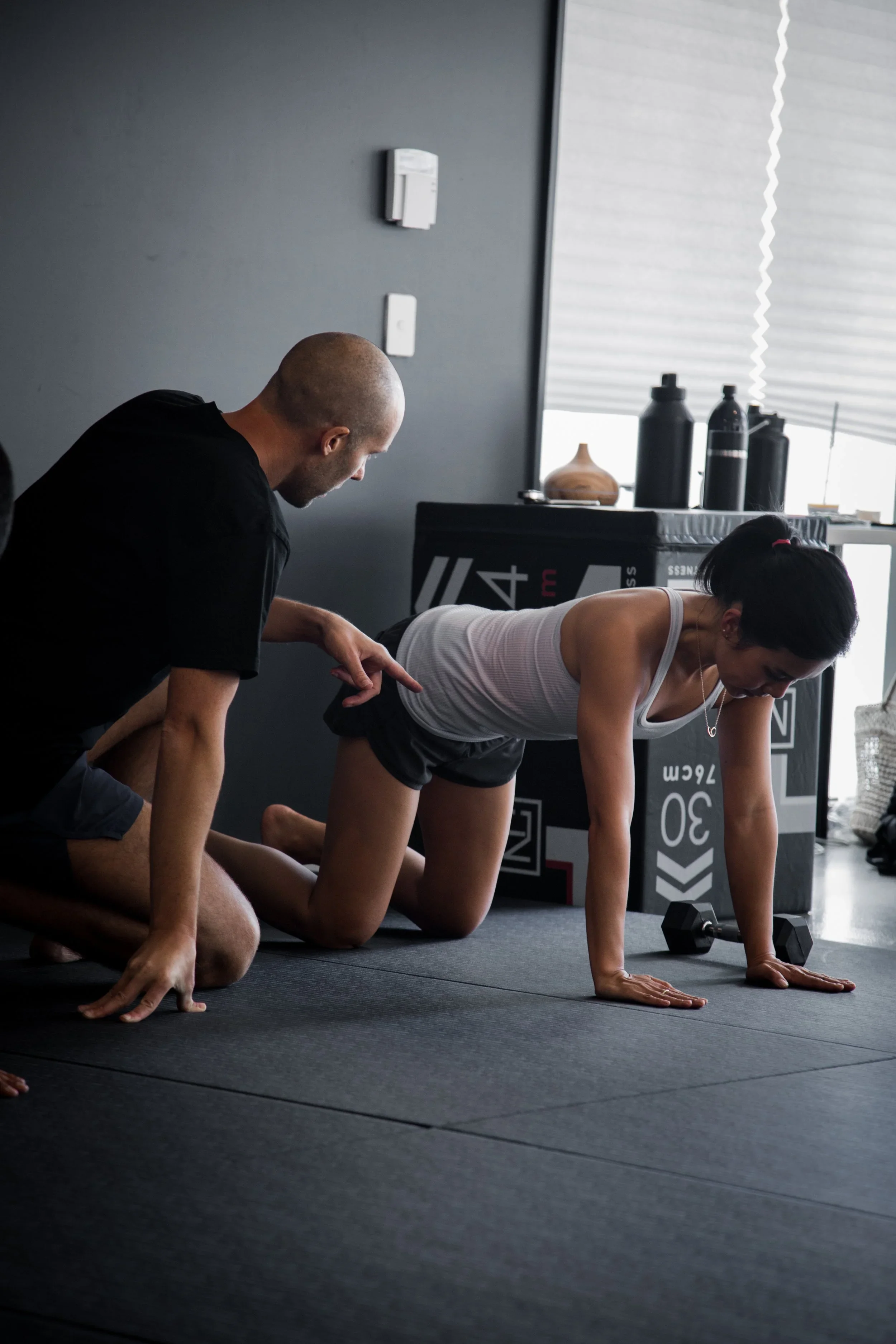
A back spasm is a protective contraction of the muscles. It is your nervous system signalling that an area is overloaded. These spasms are rarely random and almost always result from mechanical stress. Treating the spasm without addressing the underlying load distribution is like turning off a smoke alarm without putting out the fire.
upper, middle and lower back pain
Where your back hurts often tells you about the mechanics behind the pain:
Upper back discomfort can relate to ribcage rigidity and poor shoulder blade movement
Middle back problems often relate to limited thoracic mobility and rotational imbalance
Lower back pain frequently comes from pelvic instability and gait asymmetry
The common factor is inefficient force transfer throughout the body.
is walking good for back pain
Walking can either help or worsen back pain. Efficient gait helps decompress the spine, while poor walking mechanics can reinforce asymmetry and irritate the back.

the role of gait analysis
At Functional Patterns Melbourne, we assess gait, posture and load transfer to understand why your back is overloaded. This includes evaluating:
Pelvic rotation timing
Hip internal rotation capacity
Arm swing symmetry
Ribcage positioning
Back pain rarely originates where it hurts. It originates where the body fails to manage force properly.
posture correction that works
Effective posture correction goes beyond core strengthening. It involves:
Restoring hip rotation
Rebalancing pelvic orientation
Improving thoracic mobility
Integrating coordinated movement patterns
Without addressing coordination and mobility, strengthening exercises alone can increase spinal compression.
functional movement assessments
Chronic back pain improves when movement inefficiencies are addressed. A functional movement assessment identifies compensation patterns, asymmetrical load and instability drivers. Ask yourself:
Do I rotate symmetrically?
Can my hips absorb force efficiently?
Is my ribcage mobile?
Is my gait balanced?
chronic back pain therapy
Back pain improves when the pelvis stabilises, hips rotate efficiently, the ribcage moves freely, and gait becomes symmetrical. This is achieved not by stretching the back but by removing mechanical overload.
back pain treatment in melbourne
If your back pain keeps returning despite stretching, massage, core workouts or braces, it is time to address the system. At Functional Patterns Melbourne, we assess gait, posture and load distribution to identify why your spine is under stress.
Book a posture and gait assessment today to tackle the root cause of your back pain.