
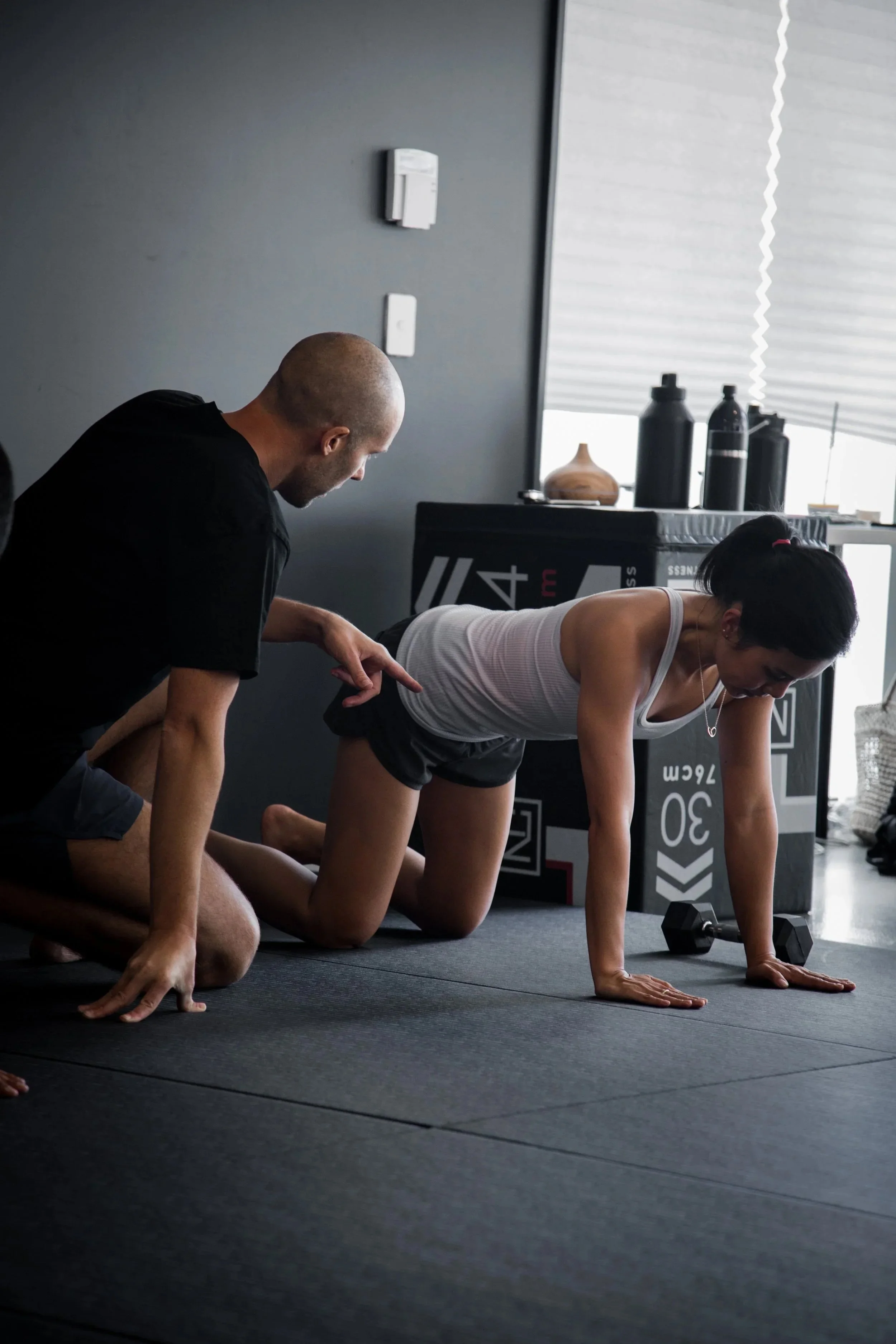
The Biomechanical Training and Certification Standards Behind Functional Patterns Melbourne
Work With a Verified Functional Patterns Practitioner in Melbourne
Book your initial movement assessment today.
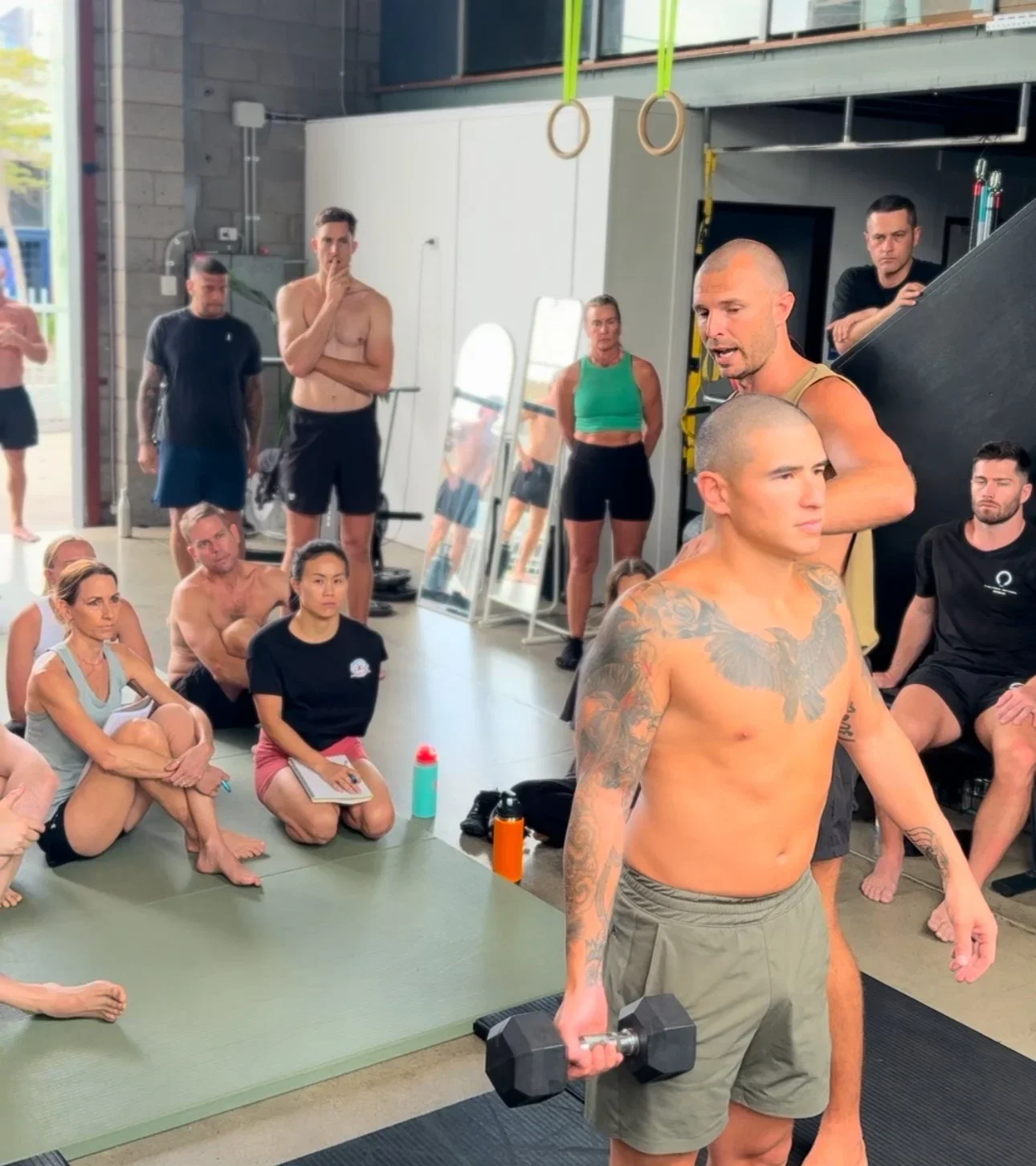
If you’re looking for a genuine Functional Patterns practitioner in Melbourne, it’s important to know how to verify their qualifications properly.
Not every trainer who uses the term “functional” or talks about biomechanics has completed the official Functional Patterns certification pathway. This page explains what credentials to look for, how the Human Biomechanics Specialist (HBS) system works, and the professional standards followed at Functional Patterns Melbourne.
If you’re unsure whether a trainer is legitimately trained in the FP system, this guide will help you make an informed decision.
Confirm Foundational Fitness Qualifications
These nationally recognised Australian qualifications ensure competency in:
Anatomy and physiology
Safe exercise prescription
Movement screening
Coaching and cueing
Strength and conditioning fundamentals
Injury awareness and referral processes
Many of our practitioners also bring additional training or tertiary education in areas such as:
Myotherapy or Remedial Massage
Exercise Science
Human Movement
Physiotherapy or Osteopathy backgrounds (non-practising roles)
Diplomas in Sport or Health Sciences
This provides a strong professional base before progressing into advanced Functional Patterns biomechanical training.
Understand the Functional Patterns Certification Pathway (HBS)
The official Functional Patterns certification system is called Human Biomechanics Specialist (HBS).
Unlike many fitness courses, HBS is:
Not attendance-based
Not automatically granted
Not open for simple self-enrolment
Based on demonstrated competency and client outcomes
Progressed through instructor review and assessment
Advancement depends on consistent application of the system and proven results — not simply time in the industry.
Want to train with a Certified HBS Practitioner in Melbourne?
Speak with our team about your goals and injury history.
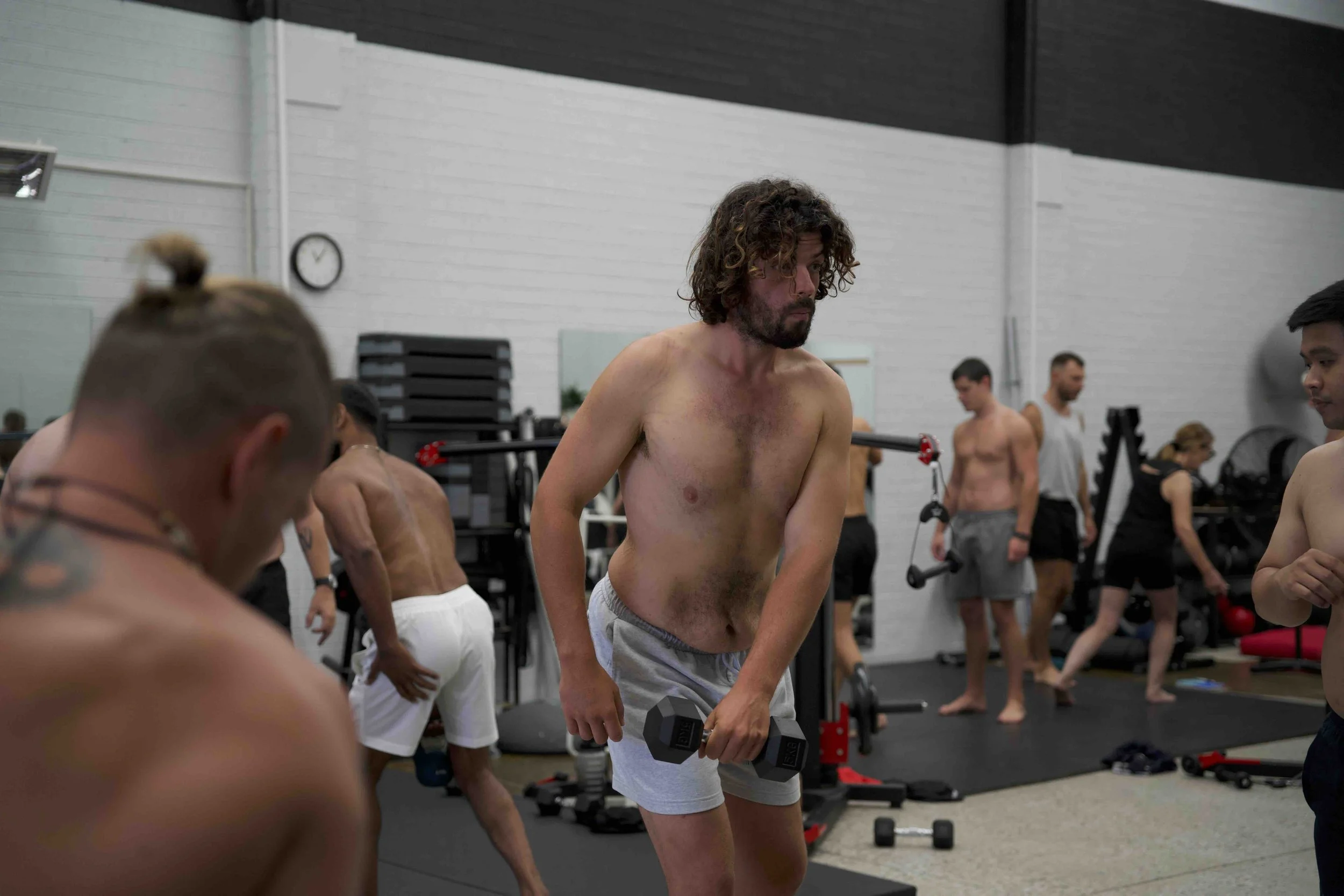
HBS Levels Explained
-
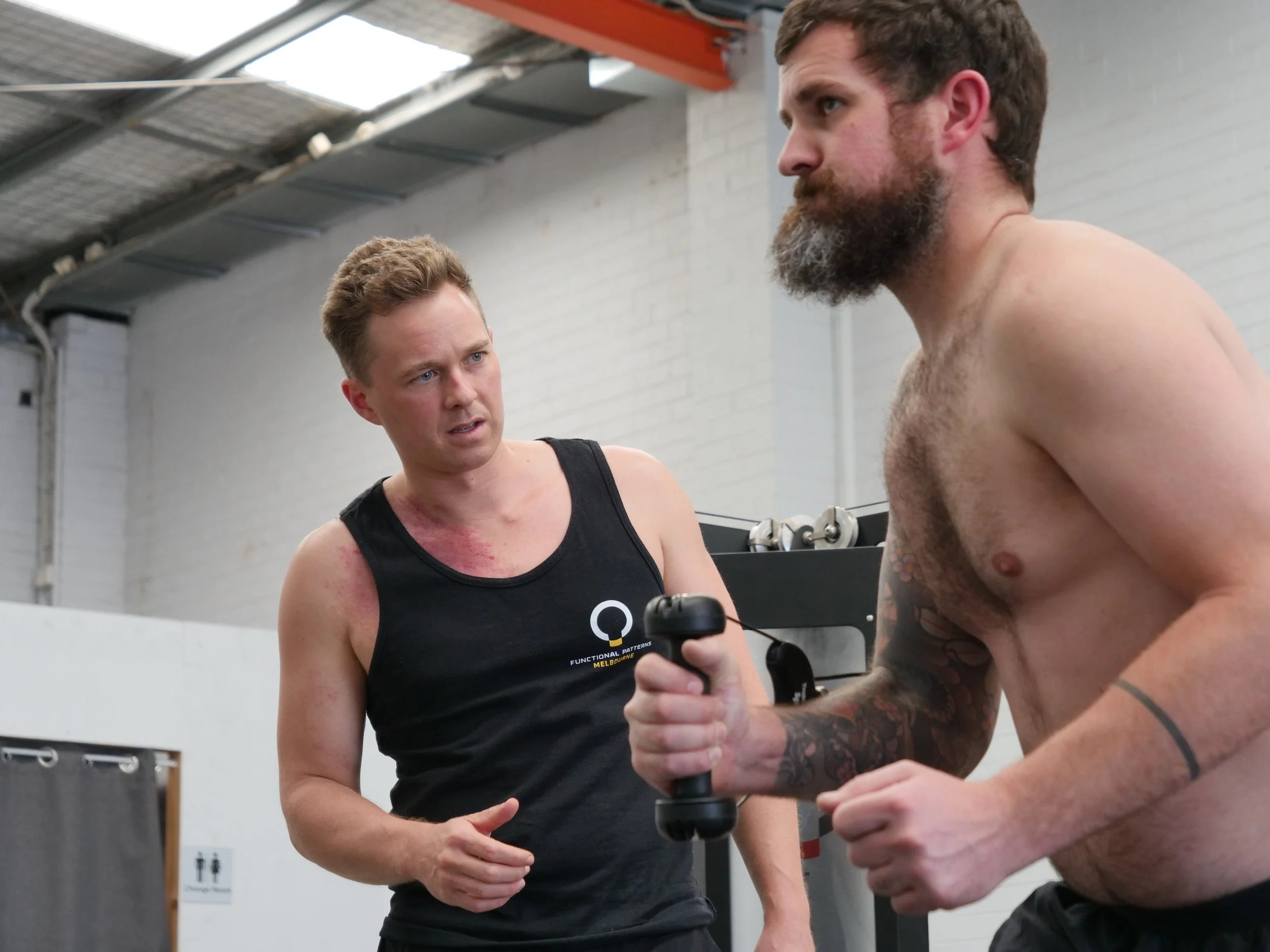
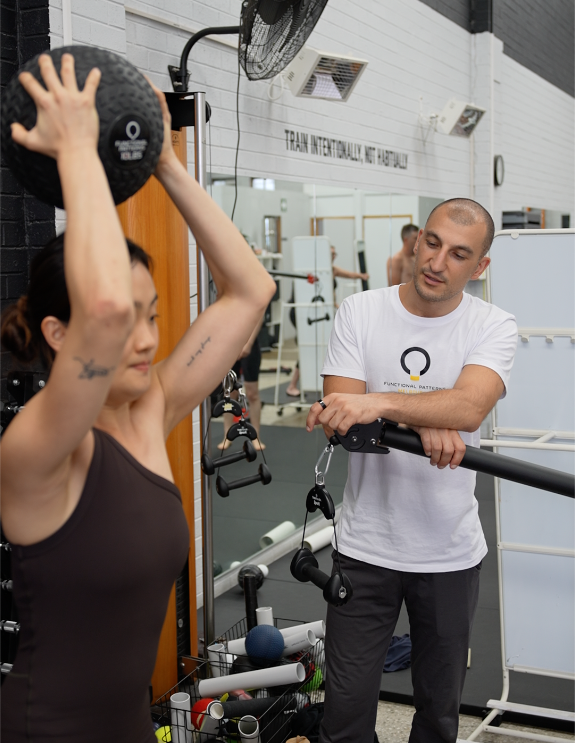
HBS1 – Biomechanical Foundations
Covers:
- Gait sequencing fundamentals
- Ribcage and pelvis integration
- Breathing mechanics
- Joint stacking and pressure management
- Introductory myofascial tensioning
- Slow-motion video assessment -
HBS2 – Advanced System Integration
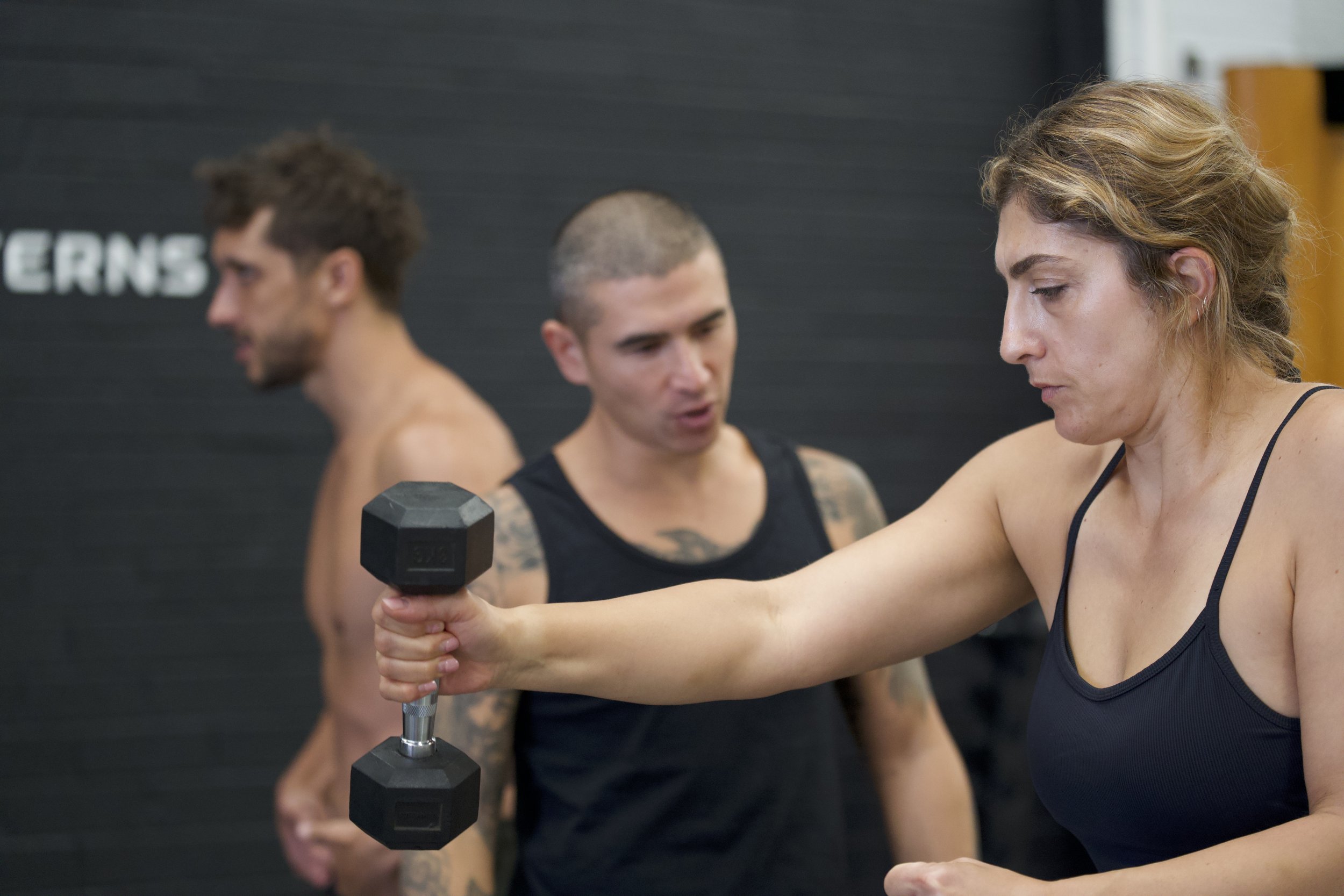
Builds on:
- Rotational mechanics
- Multi-planar force transfer
- Fascial tension under load
- Advanced gait analysis
- Interpretation of chronic pain patterns
- Sequencing under increasing load -
HBS3-4 – Complex Dysfunction and System Mastery
Reserved for practitioners who consistently demonstrate:
- Multi-joint corrective sequencing
- Long-term client outcomes
- Integration of breathing, pressure and rotation under dynamic load
- The ability to mentor other practitioners
- Advanced chamber-based sequencing systems
- HBS4 is currently the highest level within the Functional Patterns system and typically requires years of applied experience.
Advanced Biomechanical Training Behind Functional Patterns Melbourne
Functional Patterns training integrates principles across:
Biomechanics
Strength and conditioning
Motor control research
Fascia science
Gait retraining
At Functional Patterns Melbourne, our trainers work extensively with:
Gait phase mechanics
Rib and hip rotation sequencing
Closed-chain loading strategies
Fascial integration and directional tension
Diaphragm and abdominal pressure management
Scapular mechanics linked to pelvic function
Foot mechanics and whole kinetic chain influence
Slow-motion movement analysis
Long-term motor relearning
The emphasis is on movement sequencing and efficiency — not isolated muscle training.
Professional Standards at Functional Patterns Melbourne
Verification goes beyond certificates. It also involves professional conduct, scope of practice, and collaboration.
-
We:
Do not diagnose medical conditions
Do not replace physiotherapy or medical treatment
Operate as movement specialists focusing on biomechanics
Refer to appropriate health professionals where necessary
Work collaboratively within multidisciplinary settings
-
Our work integrates research-supported principles related to:
Gait modification
Motor control retraining
Breathing and intra-abdominal pressure mechanics
Fascia and mechanotransduction
Load distribution and posture
Chronic pain self-management strategies
-
We regularly communicate and coordinate with:
General Practitioners
Physiotherapists
Osteopaths
Chiropractors
Surgeons
Myotherapists and Remedial Massage Therapists
This ensures clients in Melbourne receive comprehensive, ethically managed support.
-
At Functional Patterns Melbourne, we prioritise:
Clear communication around timelines and expectations
Transparent programming
Realistic outcome targets
Honest scope boundaries
Evidence-informed reasoning
Client education and long-term independence
How to Confirm You’re Working With a Legitimate FP Practitioner in Melbourne
If you’re verifying a trainer, consider asking:
What HBS level are you currently certified at?
How long have you been applying the FP system?
Do you use slow-motion gait analysis as part of assessment?
Can you explain rib–pelvis integration and rotational sequencing?
Are you listed within official Functional Patterns directories?
A properly trained practitioner should be able to clearly explain the system, demonstrate structured sequencing, and verify their certification pathway.
Not sure if your current trainer is properly certified?
We’re happy to explain the FP certification pathway and answer your questions.
Why This Matters
The combination of:
Formal Australian fitness qualifications
Merit-based HBS progression
Advanced biomechanics training
Structured slow-motion analysis
Long-term sequencing principles
Multidisciplinary awareness
creates a safe, structured, and sustainable approach to complex movement challenges.
Functional Patterns Melbourne operates within clear professional standards designed to ensure quality, consistency, and long-term results.
Ready to Train With a Verified Functional Patterns Practitioner in Melbourne?
If you’re serious about long-term movement quality, structured biomechanics, and professional standards; we’re ready to help.
✔ Certified under the Human Biomechanics Specialist pathway
✔ Structured slow-motion movement assessment
✔ Clear progression and outcome tracking
✔ Professional scope and multidisciplinary awareness
Take the first step today by booking an initial consultation below