
Unlock Your Best Posture: Effective Back Exercises for Bad Posture
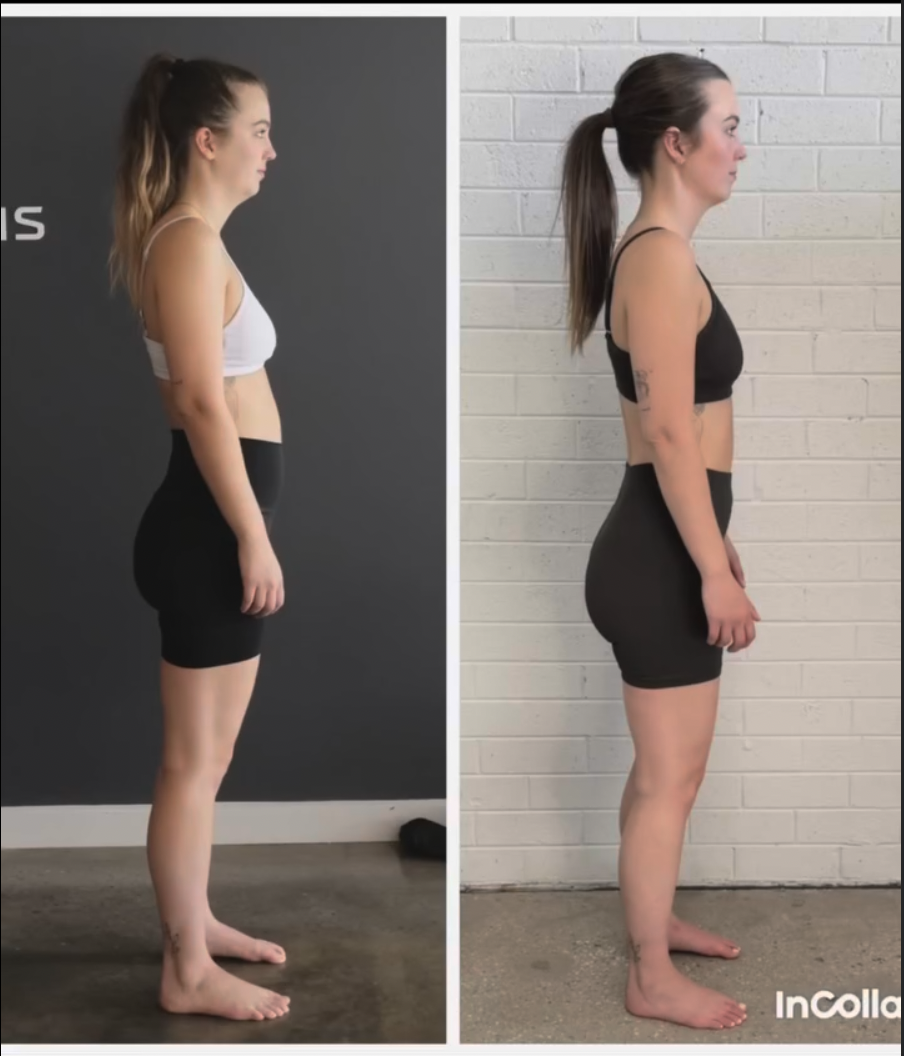
Understanding Bad Posture
Bad posture is more than just slouching—it reflects how your body adapts to daily stresses. Over time, poor alignment can cause muscle imbalances, restricted movement, and chronic discomfort. For many Australians, long hours at desks or constant technology use contribute significantly to these challenges.
Functional Patterns emphasise retraining the body to restore natural alignment, promoting long-term posture improvement rather than temporary fixes.
The Impact of Poor Posture on Health
Poor posture affects both your physical health and overall wellbeing. Common consequences include back and neck pain, reduced mobility, weak core stability, and even restricted breathing. Over time, constant muscular strain can lead to fatigue and tension.
By addressing the root causes of misalignment, functional patterns help the body move efficiently, relieve stress on joints, and support lasting posture correction.
Common Causes of Bad Posture
Several lifestyle and structural factors can contribute to poor posture. These include prolonged sitting, poor ergonomics, weak back or core muscles, habitual slouching, and repetitive one-sided movements.
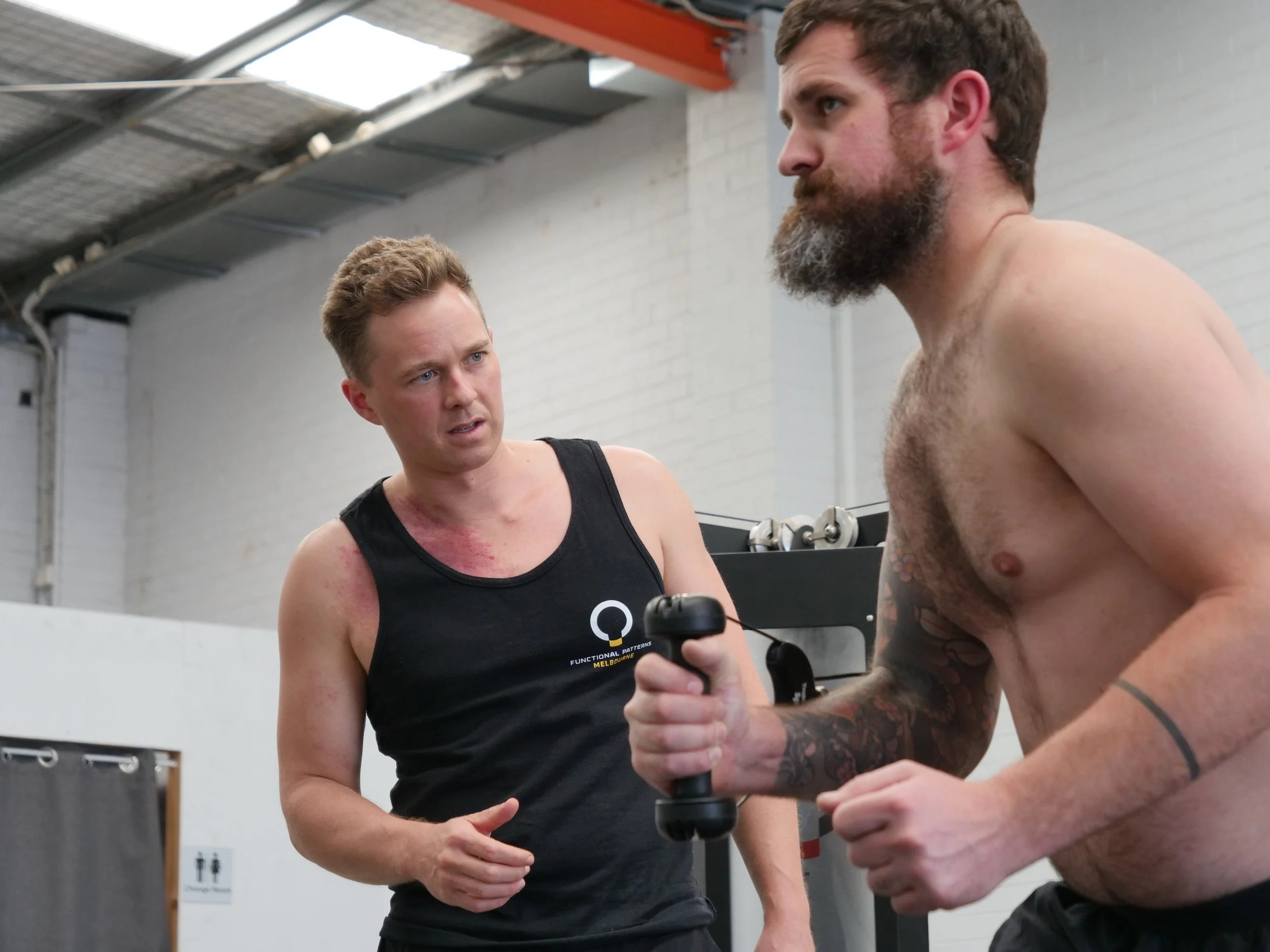
Functional Patterns tackle these underlying issues, guiding the body back towards natural posture through targeted movement patterns rather than quick fixes.
Essential Back Exercises for Posture Correction
Correcting posture requires a holistic approach. Functional Patterns combine multiple strategies that work together for long-lasting results:
Upper back stretches to release tension in the shoulders and thoracic spine
Back strengthening exercises to support the spine and shoulder blades
Spine alignment exercises to encourage natural curvature
Shoulder blade retraction and core stability exercises to enhance control
Resistance band exercises to provide progressive resistance and reinforce proper movement
Together, these strategies improve alignment, strengthen supporting muscles, and train the body to maintain better posture naturally.
Why Traditional Training Falls Short
Many traditional training programs focus on isolated muscles—think bicep curls, sit-ups, or back extensions. While these exercises can build strength in specific areas, they often fail to address how the body functions as a whole system.
This isolation is one reason people frequently find themselves in a cycle of pain: strengthening one area without correcting imbalances elsewhere can leave posture, movement patterns, and alignment unchanged. Over time, this may even exacerbate discomfort rather than relieve it.
Functional patterns, on the other hand, train the body holistically, integrating the upper back, spine, shoulder blades, and core stability into movements that restore proper alignment. This systemic approach helps break the cycle of pain by addressing the root causes rather than just the symptoms.
Implementing a Posture Training Routine
A structured posture routine should be consistent and mindful. Short daily sessions focusing on quality movement are more effective than long, repetitive workouts. Resistance bands can enhance these exercises by improving shoulder blade control, core stability, and overall back strength, helping Australians of all fitness levels see measurable progress.
Even small adjustments in how you move throughout the day—guided by functional patterns principles—can reinforce better posture and prevent back pain.
Benefits of Resistance Band Back Exercises
Using resistance bands as part of posture training can:
Strengthen the upper back and core
Improve shoulder blade control
Support spinal alignment
Encourage long-term posture maintenance
When integrated thoughtfully, resistance bands complement a functional patterns-based routine, promoting safe and sustainable improvements.
Conclusion
Correcting bad posture is about more than appearance—it affects your health, mobility, and energy levels. Functional Patterns provide a holistic, long-term approach, combining upper back stretches, spine alignment, strengthening, and resistance band work to restore natural posture.
By committing to consistent, mindful practice, Australians can unlock better posture, reduce discomfort, and enjoy the confidence and wellbeing that comes with proper alignment.
Ready to break the cycle of pain and unlock your best posture? Discover how Functional Patterns can transform your alignment and support long-term back health. Start your posture journey today!