
Why stretching and mobility exercises may not fix tightness
If you’ve been stretching, foam rolling, or doing band drills but still feel tight, it’s not a lack of mobility that’s the problem. It’s a lack of control.
Mobility isn’t just flexibility. It’s the ability to control your joints through their range of motion under load. Without that control, your nervous system protects you by tightening muscles. That tightness isn’t the issue—it’s your body keeping you safe.
Why stretching alone doesn’t work

Stretching may increase your tolerance to range temporarily, but it doesn’t improve joint centration, force distribution, rotational sequencing, or gait mechanics.
For example:
If your pelvis doesn’t rotate properly when walking, your hips feel tight.
If your ankle can’t absorb force during stance, your calf stiffens.
If your ribcage and scapula aren’t coordinated, your shoulders feel tight.
The body isn’t looking for more range—it’s looking for stability.
How to improve ankle mobility the right way
Many people try banded dorsiflexion drills, but ankle stiffness is often caused by problems elsewhere. Poor hip rotation or unstable feet make the ankle tighten to protect the body.
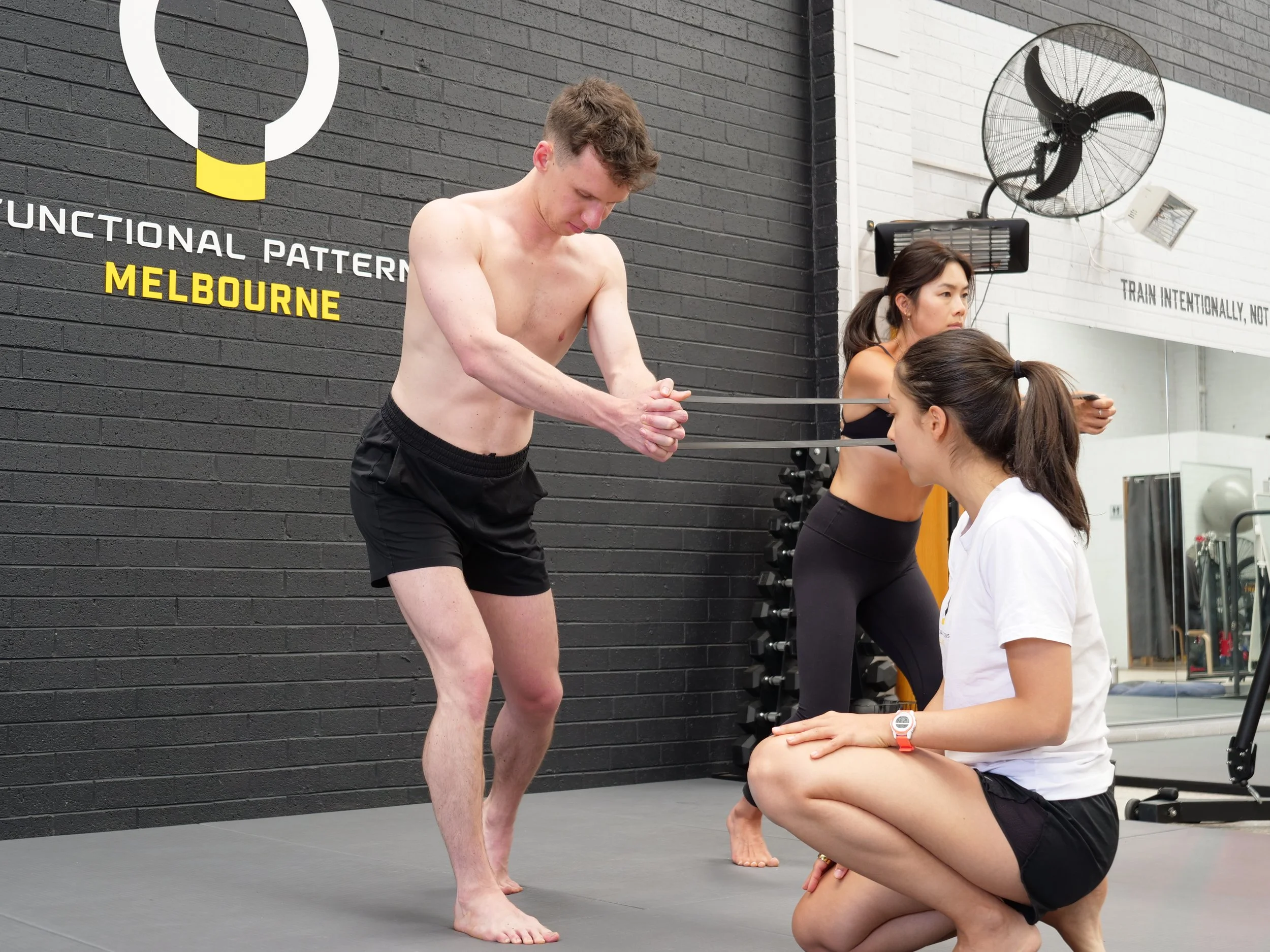
Long-term improvements come from:
Restoring foot tripod stability
Improving hip rotation
Training controlled loading during gait
Stretching alone will never solve it.
How to improve hip mobility
Hip tightness isn’t about deeper lunges or endless hip flexor stretches. It comes from poor pelvic control and inefficient force transfer across the pelvis. The hip stiffens to stabilise the body.
Focus on internal rotation, pelvic control, and proper rotational timing during gait. Give the system structure, and tension decreases naturally.
How to improve shoulder mobility
Shoulder stiffness often comes from the thorax, not the shoulder itself. A rigid ribcage prevents scapular glide and humeral centration. Stretching won’t fix poor thoracic mechanics. Integration and coordinated movement are key.
The real way to improve mobility
Mobility improves when your system works as a whole: joints are centrated, muscles are sequenced correctly, force is distributed symmetrically, and gait mechanics are restored. Stretching the symptom alone isn’t enough.
If you feel tight all the time
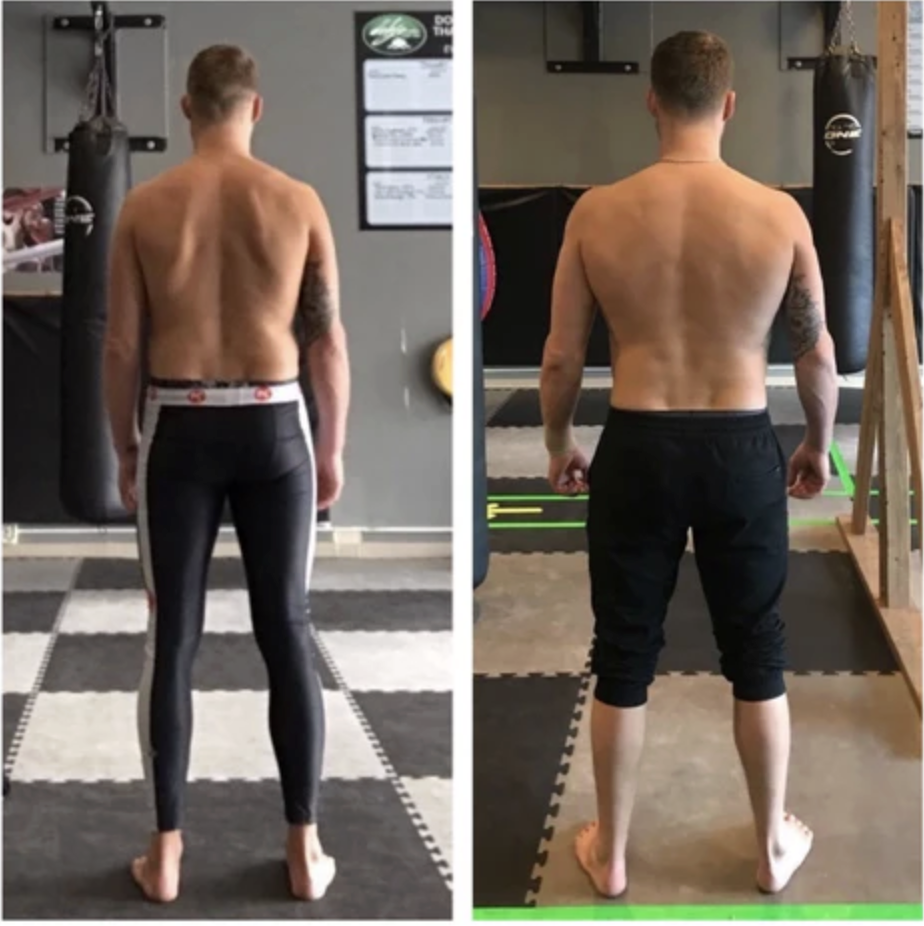
Chronic stiffness usually indicates asymmetry, poor load tolerance, compensatory patterns, or instability elsewhere. The body generates tension where it feels unsafe. Remove the instability, and the tightness disappears.
Functional Patterns Melbourne mobility assessment
At Functional Patterns Melbourne, we don’t just stretch muscles. We assess posture, gait, rotational sequencing, and asymmetries, then retrain your body to move as a coordinated system.
Clients experience lasting results and freedom from stiffness—not just temporary relief.
If you’re in Melbourne and tired of stretching without results, book a posture and gait assessment today.