
Transverse Abdominis vs Six Pack: What Your Core Really Needs
Why Most Core Training Misses the Point
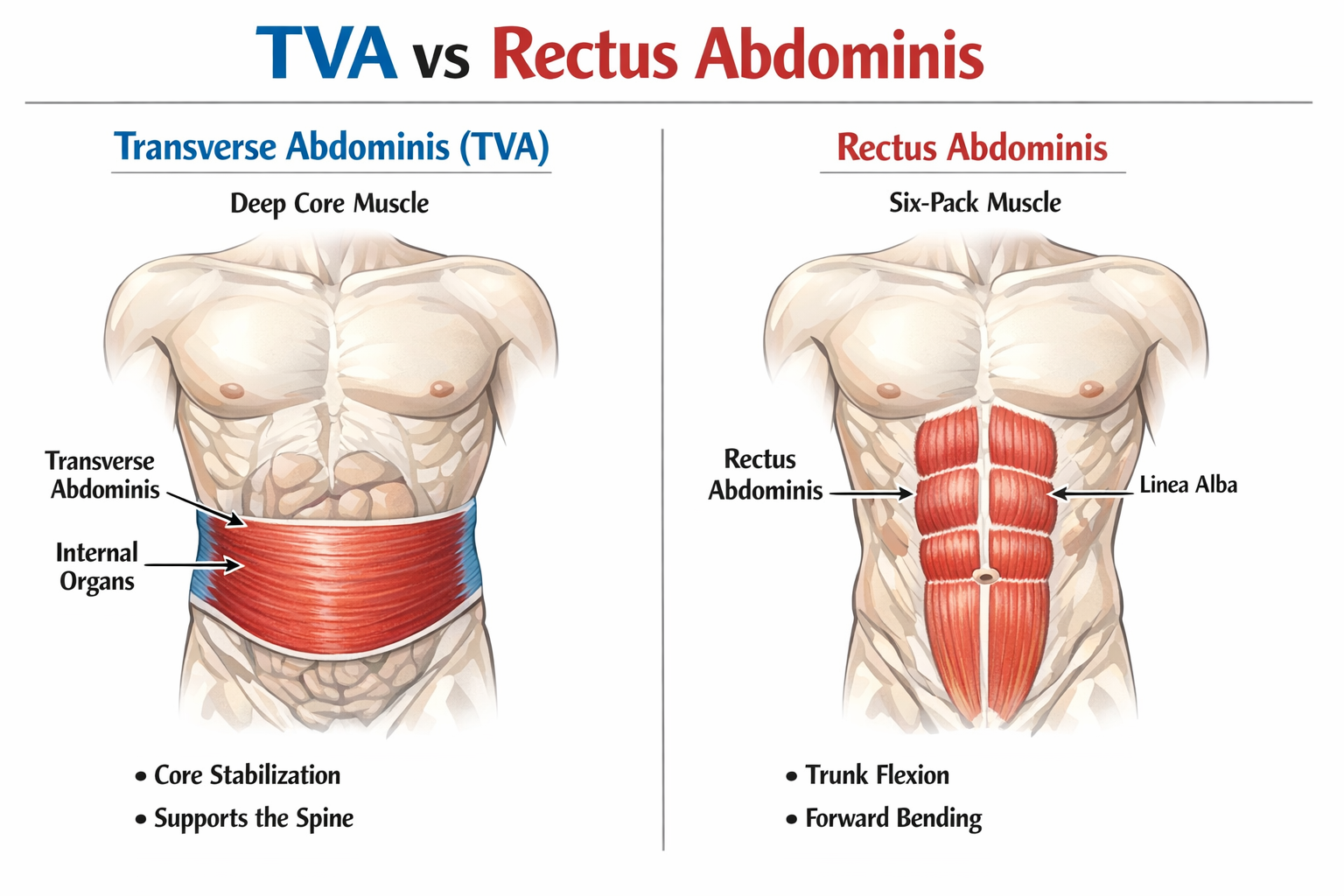
When most people think about core strength, they picture visible abs. The rectus abdominis, often referred to as the "six pack," tends to steal all the attention. But underneath that superficial layer sits a far more important structure for real-world movement, posture, and injury resilience. The transverse abdominis muscle, sometimes referred to as the abdominal transverse muscle or transversus abdominis, plays a completely different role than the muscles we see in the mirror.
At Functional Patterns Melbourne, we see the consequences of this misunderstanding every day. People train their abs hard, chase fatigue, and end up with an ab ache, yet still struggle with back pain, poor running mechanics or inefficient breathing. The issue is not effort. It is a focus.
What the Transverse Abdominis Actually Does
The transverse abdominis is the deepest of the transverse abdominal muscles. It wraps horizontally around the torso like a corset, connecting through the fascia transverse system and integrating with the diaphragm, pelvic floor and thoracolumbar fascia. Unlike the rectus abdominis, which primarily produces trunk flexion, the function of the transverse abdominis is stability, force transfer and pressure regulation.
How the Transverse Abdominis Supports Real Movement
When the transverse abdominals are functioning properly, the spine is supported dynamically during activities such as walking, running, throwing, and lifting. When they are not, the body compensates by overusing the superficial abs, hip flexors, and spinal extensors. This is why many people feel strong during isolated ab exercises but unstable during real movement.
Why Traditional Ab Exercises Fall Short
A common misconception is that doing more crunches or planks will automatically train the transverse ab muscles. In reality, most conventional ab workouts bias the rectus abdominis and external obliques. Even many exercises for the transverse abdominis advertised online still rely on bracing strategies that disconnect breathing from movement.
Breathing, Gait, and the Transverse Abdominis Connection
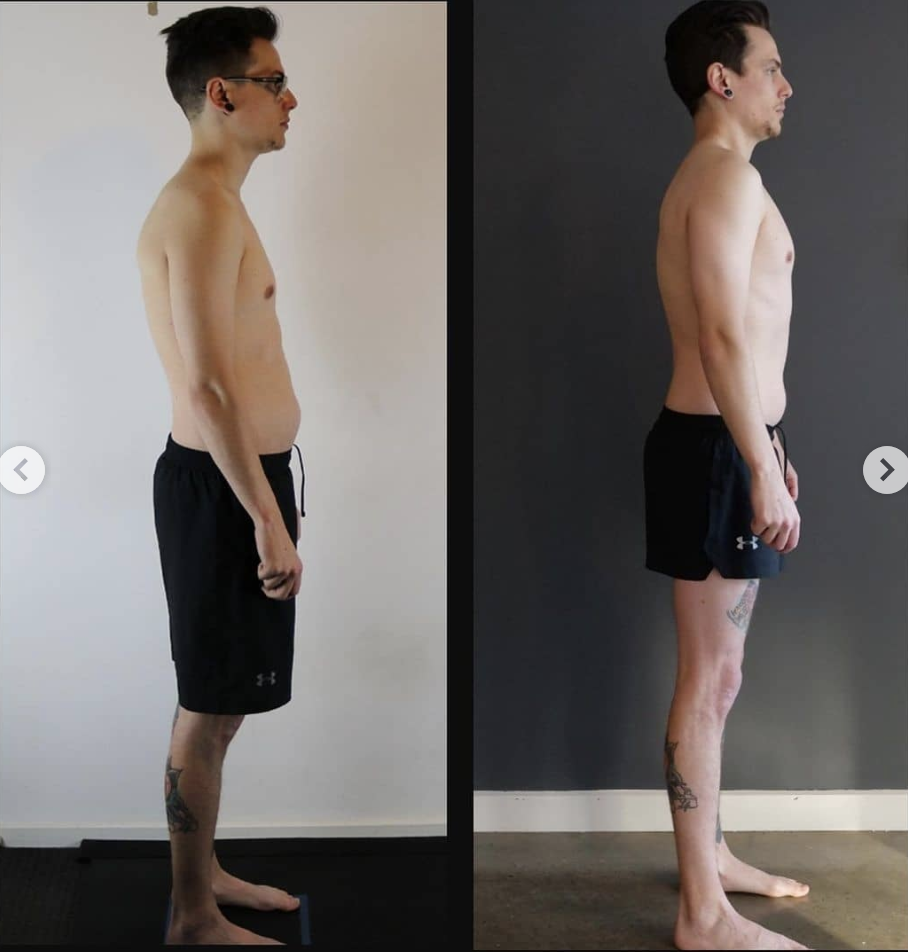
True transverse abdominis function is not about pulling the belly button in or holding tension. It is about timing and coordination. The transverse abdomen should activate reflexively as you move through space. This is especially important during gait, where the transverse abdominis muscle works in opposition to rotational forces created by the arms and legs. Without this coordination, energy leaks occur, and the body becomes less efficient.
From a Functional Patterns perspective, exercises for the transverse abdominis muscles must be integrated into whole-body movement. Isolated transverse ab exercises performed on the floor rarely transfer to upright locomotion. Instead, we focus on patterns that restore the natural relationship between the transverse abdominal muscle, the diaphragm, and the glutes.
This is where the difference between the transverse and rectus abdominis becomes obvious. The rectus abdominis shortens and lengthens visibly. The transversus abdominis muscles stabilise and modulate pressure. One is designed for appearance and spinal flexion. The other is designed for movement efficiency and longevity.
Common Mistakes When Training the TVA
Many clients arrive having tried countless transverse abdominal muscle exercises, transverse abdominis workouts or transverse abdominis muscle workout routines without lasting results. Often, their breathing mechanics are dysfunctional, their rib cage position is compromised and their pelvis lacks control. Until these pieces are addressed, exercises for the transversus abdominis will remain limited in effectiveness.
Understanding the function of the transversus abdominis also helps explain why so many people experience recurring injuries. A poorly functioning transverse muscle system places excessive load on joints and connective tissue. Over time, this can contribute to chronic low back pain, hip issues and even shoulder dysfunction due to poor force transfer through the trunk.
Rebuilding Core Function the Functional Patterns Way
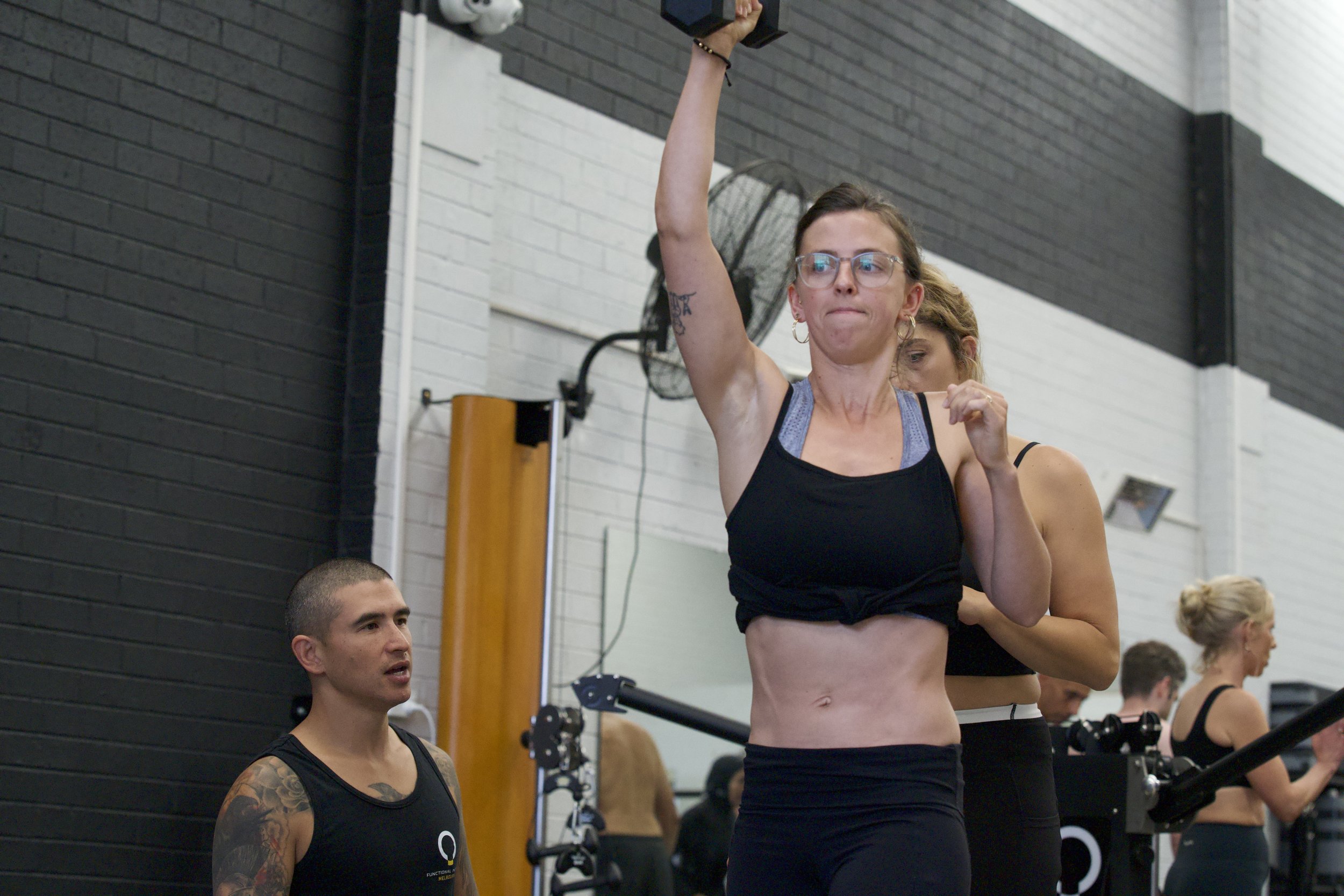
At Functional Patterns Melbourne, we do not separate transverse and rectus abdominis exercises into isolated categories. Instead, we restore the role of the transverse abdomen within the context of human movement. This includes gait-based training, rotational work, and breathing-driven patterns that reflect how the transverse abdominis is meant to function.
Whether you call it the tva muscle, transversus abdominus, or transverse abdominus, the goal remains the same. Restore its natural role as a stabiliser and integrator rather than a muscle you consciously squeeze. When this happens, posture improves, movement feels lighter, and strength becomes something you express rather than force.
Strength That Transfers to Real Life
The six-pack may look impressive, but without a well-functioning transverse abdominal system, it is largely cosmetic. Real core strength starts deeper, moves smarter, and shows up in how you live, move, and perform every day.
If you are ready to move better, reduce pain, and build real core strength that actually transfers to life, book a Functional Patterns assessment with our Melbourne team today.