
Understanding Hypermobility Syndrome in Autism
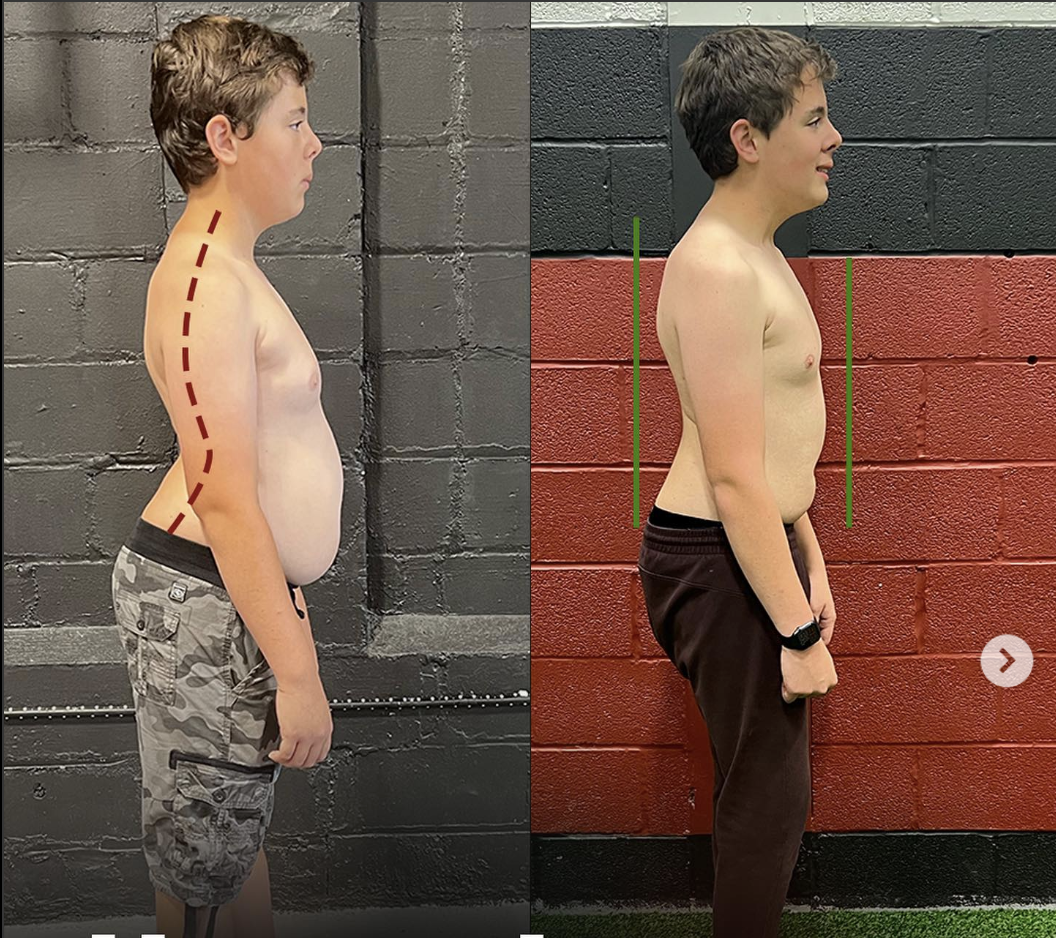
Hypermobility syndrome and autism might seem like unrelated conditions at first glance, but research and clinical experience suggest a notable overlap. Many autistic individuals experience hypermobile joints, which can affect movement, coordination, and overall comfort. Understanding this connection is key for caregivers, healthcare professionals, and autistic individuals themselves to manage symptoms effectively and improve quality of life.
What is Hypermobility Syndrome?
Hypermobility syndrome refers to a condition where joints move beyond the typical range of motion. While some flexibility can be an advantage, hypermobility often comes with challenges such as joint pain, fatigue, and a higher risk of injury. People with this condition might notice that their joints feel unusually loose, that they frequently experience aches after activity, or that they are prone to sprains or dislocations.
There are different types of hypermobility syndrome. Benign Joint Hypermobility Syndrome (BJHS) affects joints without systemic complications, while hypermobile Ehlers-Danlos Syndrome (hEDS) is a genetic condition with wider health implications. Classical EDS, though rarer, can include significant joint and skin issues. Understanding the type of hypermobility is important in determining the best strategies for care and management.
The Connection Between Hypermobility and Autism
Research indicates that autistic individuals are more likely to have hypermobile joints compared to the general population. This link may be related to connective tissue differences or neurodevelopmental factors that affect coordination and proprioception, which is the body’s awareness of joint position.
Autistic individuals with hypermobility often face a combination of physical and sensory challenges. They may experience frequent fatigue, muscle weakness, or clumsiness, which can make everyday activities more difficult. Sensory sensitivities, particularly related to touch or pressure, are also common, creating additional hurdles for movement and comfort. While flexibility might seem like an advantage, it can come with hidden costs in terms of pain, joint instability, and motor coordination challenges.

Ehlers-Danlos Syndrome (EDS) and Autism
For some autistic individuals, hypermobility is part of a broader connective tissue disorder known as Ehlers-Danlos Syndrome. EDS affects collagen, the protein that gives structure to joints, skin, and blood vessels. In autistic individuals, this can manifest as joint instability, chronic pain, fatigue, and challenges with posture and movement.
The combination of autism and EDS may amplify difficulties in daily life. Autistic people with EDS may struggle with endurance, fine motor tasks, and balance, while also navigating sensory sensitivities. Recognizing the overlap between these conditions is crucial for creating effective support strategies.
Managing Hypermobility in Autistic Individuals
While hypermobility cannot always be “cured,” there are effective ways to manage symptoms and improve function. Physiotherapy and occupational therapy can help strengthen joints, enhance stability, and support daily movement. Low-impact exercises that focus on core strength, joint alignment, and proprioception are especially helpful.
Structured movement systems, such as Functional Patterns, offer a holistic approach by improving posture, functional strength, and joint stability. These programs are tailored to the body’s natural movement patterns and can be particularly beneficial for autistic individuals with hypermobile joints, helping them move more efficiently and reduce discomfort.
Regular, guided exercise combined with lifestyle adjustments—like pacing activity, maintaining good posture, and listening to the body’s signals—can make a significant difference in managing hypermobility.
Conclusion
Understanding the intersection of hypermobility syndrome and autism is essential for improving health outcomes and quality of life. Recognizing the signs of hypermobility, understanding potential overlaps with conditions like Ehlers-Danlos Syndrome, and implementing targeted management strategies can empower autistic individuals and their caregivers. Functional movement programs, physiotherapy, and mindful exercise provide practical ways to strengthen joints, improve coordination, and reduce pain.
If you or someone you care for is living with autism and hypermobility, taking proactive steps now can make a real difference. Explore Functional Patterns training to build joint stability, improve posture, and support overall well-being. Start your journey toward stronger, more functional movement today and see how targeted, guided exercise can help you live more comfortably and confidently.