
Exploring the Link Between Genetics and Scoliosis: Is Scoliosis Hereditary?
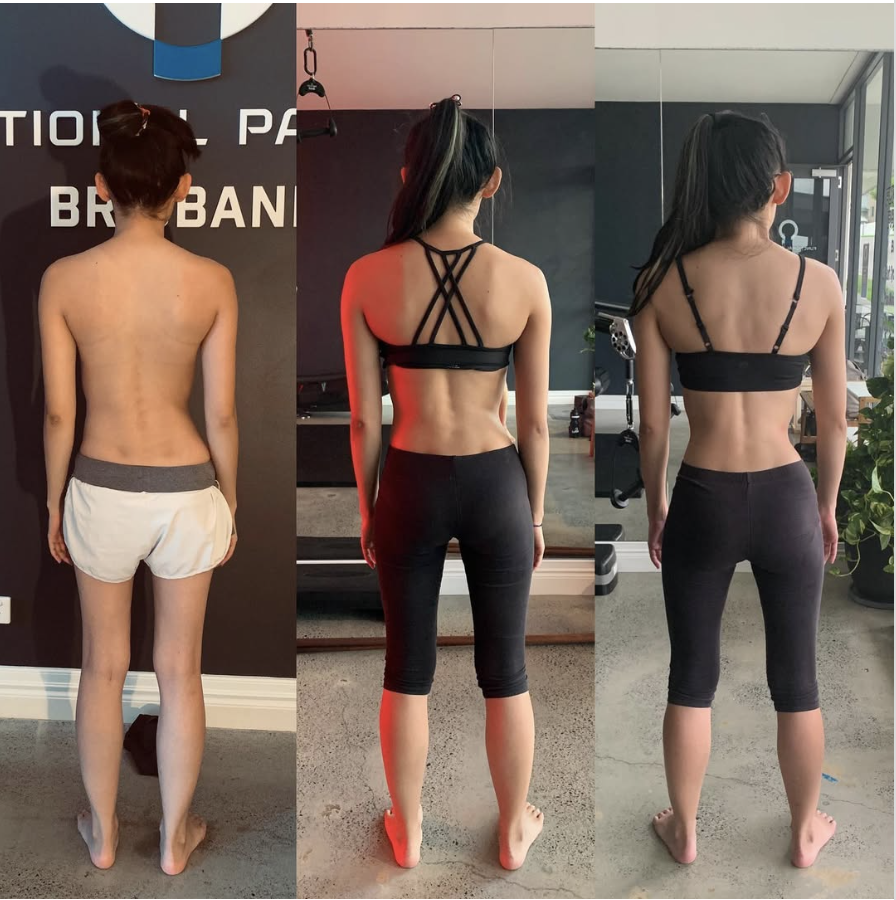
If scoliosis runs in your family, it’s natural to ask: is scoliosis hereditary? Many Australians searching for answers want to know whether scoliosis is genetic, whether a family history increases risk, and what—if anything—can be done to prevent progression.
While research shows that scoliosis can be hereditary, genetics alone rarely explain why spinal curvature develops or worsens. Instead, scoliosis is best understood as a condition influenced by genetic predisposition, movement patterns, posture, and environmental factors. Knowing how these pieces fit together is essential for choosing effective scoliosis treatment options and long-term management strategies.
Overview of Scoliosis and Genetic Influence
Understanding the genetics of scoliosis matters, but only when it’s viewed in the right context. A single faulty gene does not typically cause scoliosis. Instead, studies suggest that spinal curvature genetics increase susceptibility, while lifestyle and mechanical factors determine how that susceptibility expresses itself.
This distinction helps explain why scoliosis may appear in multiple family members, yet vary widely in severity, or not develop at all.
What Is Scoliosis?
Scoliosis is a three-dimensional spinal condition involving lateral curvature and rotation of the spine. Rather than being a simple sideways bend, scoliosis creates asymmetrical loading throughout the body, affecting posture, movement efficiency, and long-term musculoskeletal health.
Types of Scoliosis
Although there are several recognised types of scoliosis, idiopathic scoliosis is by far the most common. The term “idiopathic” simply means that no single cause has been identified. This category includes adolescent idiopathic scoliosis, which often develops during periods of rapid growth.
Other forms, such as congenital or neuromuscular scoliosis, are less common and typically linked to identifiable medical conditions.
Signs and Symptoms
Early signs of scoliosis often appear as subtle postural changes rather than pain. Uneven shoulders, hip imbalance, rib prominence, and visible spinal asymmetry are common indicators. Over time, these imbalances can influence movement mechanics and spinal loading, which may contribute to progression if left unaddressed.
Is Scoliosis Genetic or Hereditary?
So, is scoliosis genetic or hereditary? The most accurate answer is that scoliosis often has a genetic component, but it is not inherited in a straightforward way.
Genetic Components of Scoliosis
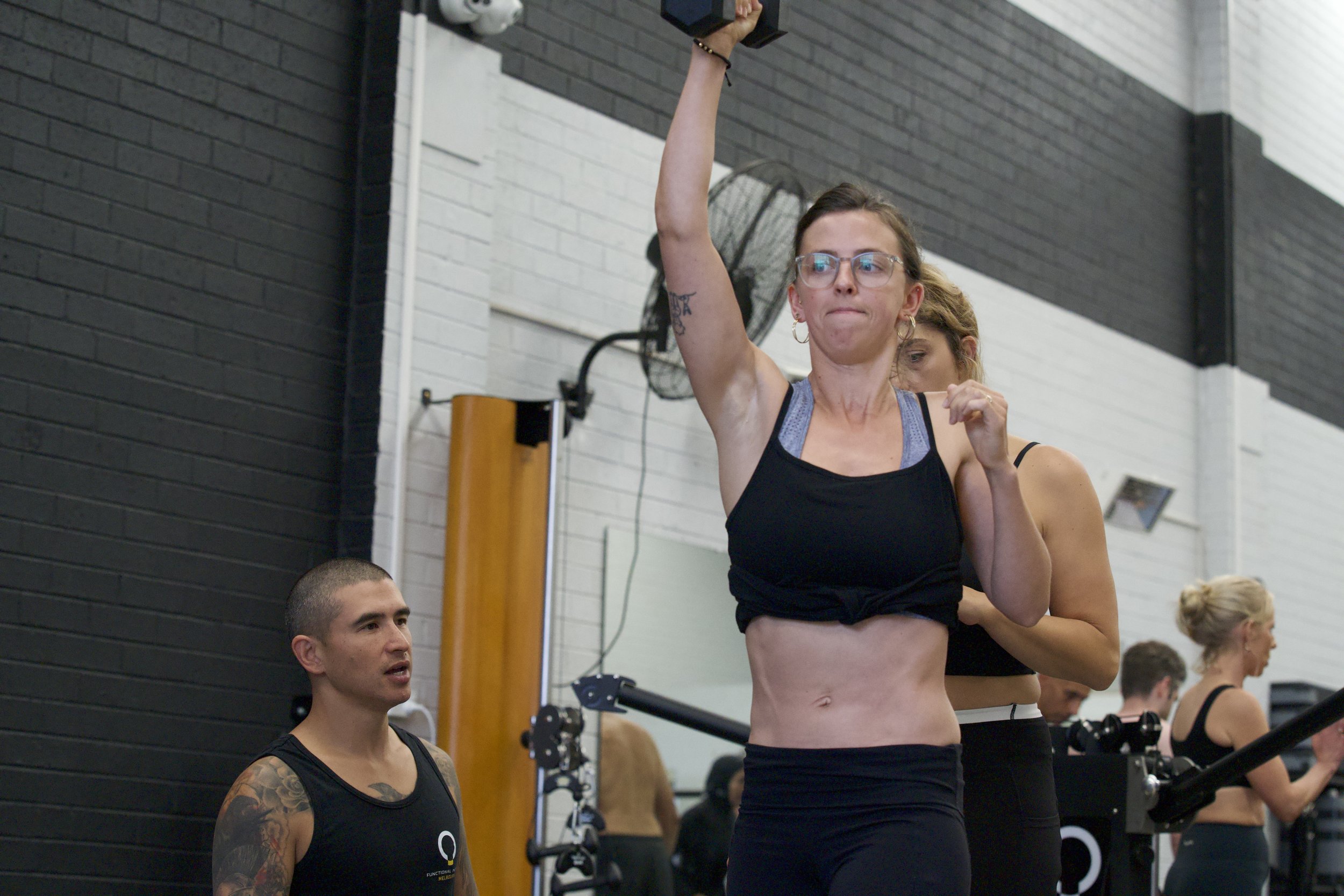
Research into scoliosis genetics suggests that multiple genes contribute to connective tissue structure, neuromuscular coordination, and spinal adaptability. These genetic components of scoliosis influence how the spine responds to stress, growth, and asymmetrical movement patterns.
Rather than causing scoliosis directly, genetics create a predisposition—a higher likelihood that spinal curvature may develop under certain conditions.
Family History and Scoliosis Risk
A positive family history of scoliosis does increase risk, which is why many people ask, can scoliosis be hereditary? or does scoliosis hereditary patterns exist within families? However, having a parent or sibling with scoliosis does not guarantee the condition will develop.
This pattern supports the concept of multifactorial inheritance in scoliosis, where genetics interact with posture, movement habits, and environmental stressors over time.
Idiopathic Scoliosis: A Closer Look
Adolescent Idiopathic Scoliosis
Adolescent idiopathic scoliosis often emerges during growth spurts, when the body is adapting rapidly to changes in height, limb length, and coordination. This timing highlights the importance of movement efficiency and postural organisation during development.
Genetics of Idiopathic Scoliosis
The genetics of idiopathic scoliosis are complex. While certain genetic markers have been associated with increased risk, no single gene determines whether scoliosis will occur. Instead, genetic predisposition scoliosis interacts with mechanical forces—how the body moves, stands, and distributes load through the spine.
Multifactorial Inheritance Explained
Multifactorial inheritance means scoliosis develops due to the combined influence of:
Genetic susceptibility
Growth and development
Posture and habitual movement patterns
Environmental and lifestyle factors
This is why two individuals with similar genetics can experience completely different outcomes.
Scoliosis Risk Factors Beyond Genetics
While spinal curvature genetics play a role, environmental influences often determine progression. Prolonged asymmetrical posture, repetitive one-sided movement, sedentary habits, and limited variability in movement all contribute to spinal asymmetry over time.
This connection between posture and scoliosis is critical. Poor movement mechanics can reinforce uneven loading on a spine that is already genetically predisposed, accelerating curvature rather than allowing the body to self-correct.
Scoliosis Treatment Options
Non-Surgical Approaches
When exploring scoliosis treatment options, many people focus on managing symptoms rather than addressing root causes. Conventional non-surgical treatments such as bracing or general exercise programs may slow progression in some cases, but they often fail to correct the underlying movement patterns driving spinal asymmetry.
Why Functional Patterns Stands Out
Functional Patterns offers a fundamentally different approach to scoliosis management. Rather than viewing scoliosis as purely structural or genetic, it focuses on how posture, gait, and movement patterns influence spinal loading over time.
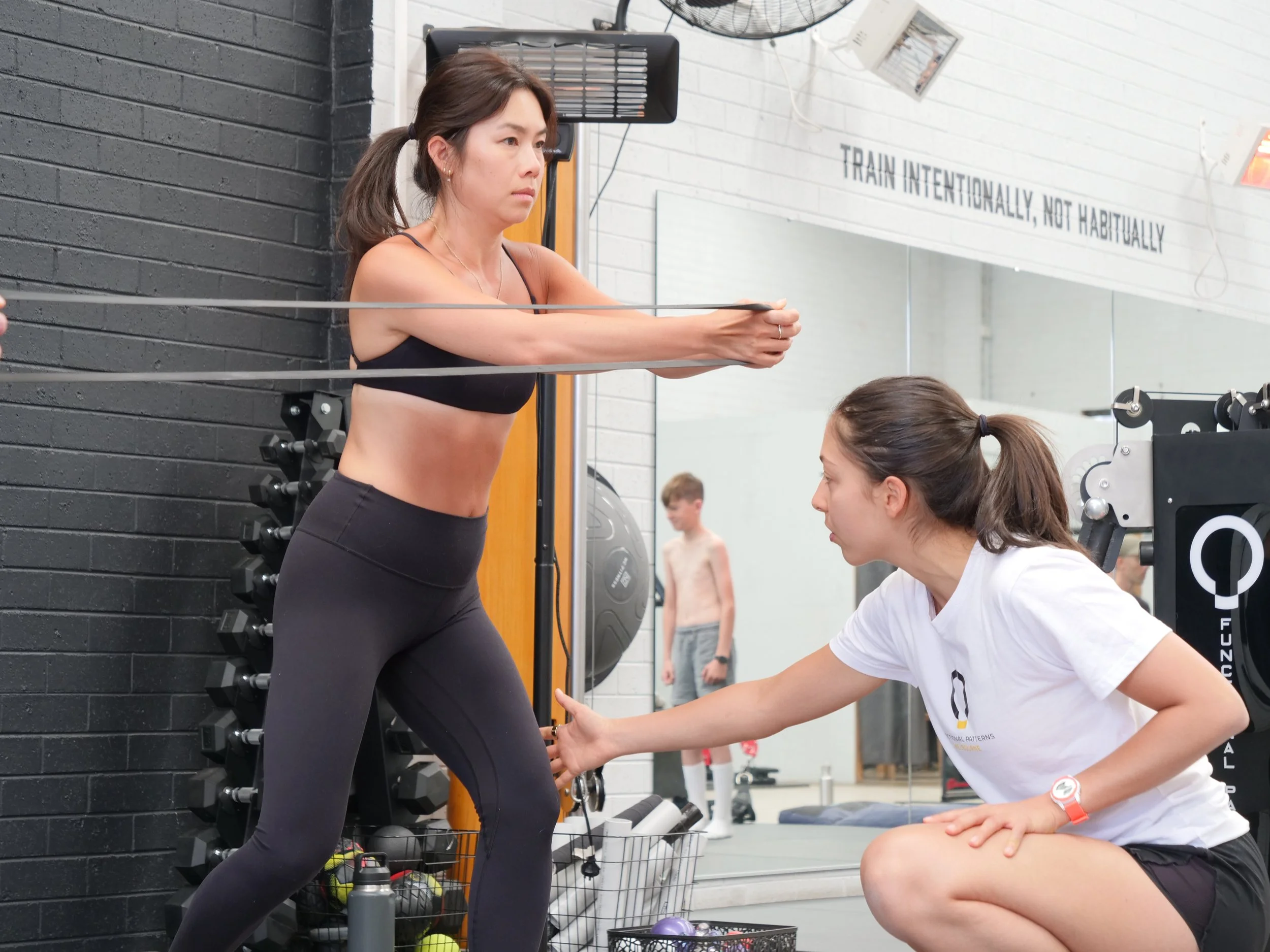
By addressing asymmetrical movement, restoring balanced mechanics, and improving how force travels through the body, Functional Patterns helps individuals with hereditary or idiopathic scoliosis improve function and reduce progression risk. This approach is especially valuable for Australians seeking long-term, proactive solutions rather than short-term symptom relief.
Surgical Intervention
Surgery may be necessary in severe cases, particularly when curvature progresses rapidly. However, even surgical intervention does not address the movement dysfunctions that often contributed to scoliosis development in the first place nor does it guarantee pain prevention after.
Importance of Early Detection
For individuals with a family history of scoliosis, early assessment is essential. Identifying postural and movement asymmetries early allows for targeted intervention before spinal curvature becomes more pronounced—especially during adolescence.
Key Takeaways on Scoliosis Heredity
If scoliosis runs in your family, genetics don’t have to define your future. While you can’t change hereditary risk, you can change how your body moves, loads, and adapts over time.
Functional Patterns focuses on correcting the movement and postural patterns that contribute to spinal asymmetry—making it one of the most effective approaches for managing idiopathic and hereditary scoliosis.
If you’re in Australia and want a proactive, long-term solution, working with a Functional Patterns practitioner can help you improve function, restore balance, and take control of your spinal health.
Book a consultation today and start addressing scoliosis at its root—not just managing the curve.