
Rib Flare and Posture: How Functional Patterns Restores Your Body

Rib flare is a common postural deviation that often reflects deeper issues in how the body is organised and moves as a system. Rather than being an isolated rib cage problem, rib flare is best understood as a whole-body structural imbalance involving posture, breathing mechanics, gait and muscular coordination. Functional Patterns provides a long-term solution for correcting rib flare by addressing these root causes, rather than relying solely on isolated corrective exercises.
Rib flare refers to the visible protrusion of the lower ribs, typically noticeable when standing in a relaxed posture. While it is often discussed in terms of weak core muscles or poor posture, this condition is more accurately viewed as a compensation pattern that develops when the body loses efficient alignment and force transfer through the spine, pelvis and rib cage.
Understanding Rib Flare as a Whole-Body Issue
Rib flare occurs when the lower ribs jut forwards and upwards, disrupting the natural stacked alignment of the rib cage over the pelvis. This misalignment is not random — it is usually the result of long-standing movement dysfunctions and postural habits that affect the entire musculoskeletal system.
Recognising rib flare involves observing posture in standing, sitting and during movement. Individuals may notice a pronounced rib cage when looking in the mirror, excessive arching of the lower back, or difficulty maintaining an upright posture without tension. Discomfort in the lower back, hips or abdominal region is also common, even if pain is not always present.
The rib cage, made up of the ribs, sternum and thoracic spine, plays a central role in respiration, spinal stability and force transfer during movement. When rib flare is present, the rib cage loses its ability to integrate efficiently with the pelvis and spine. Functional Patterns focuses on restoring this integration rather than treating the ribs in isolation.
Why Rib Flare Develops
Understanding the causes of rib flare is essential for long-term correction. While it is often attributed to weak abdominal muscles or tight lower back muscles, these are symptoms rather than root causes.
Muscular Imbalances and Structural Compensation
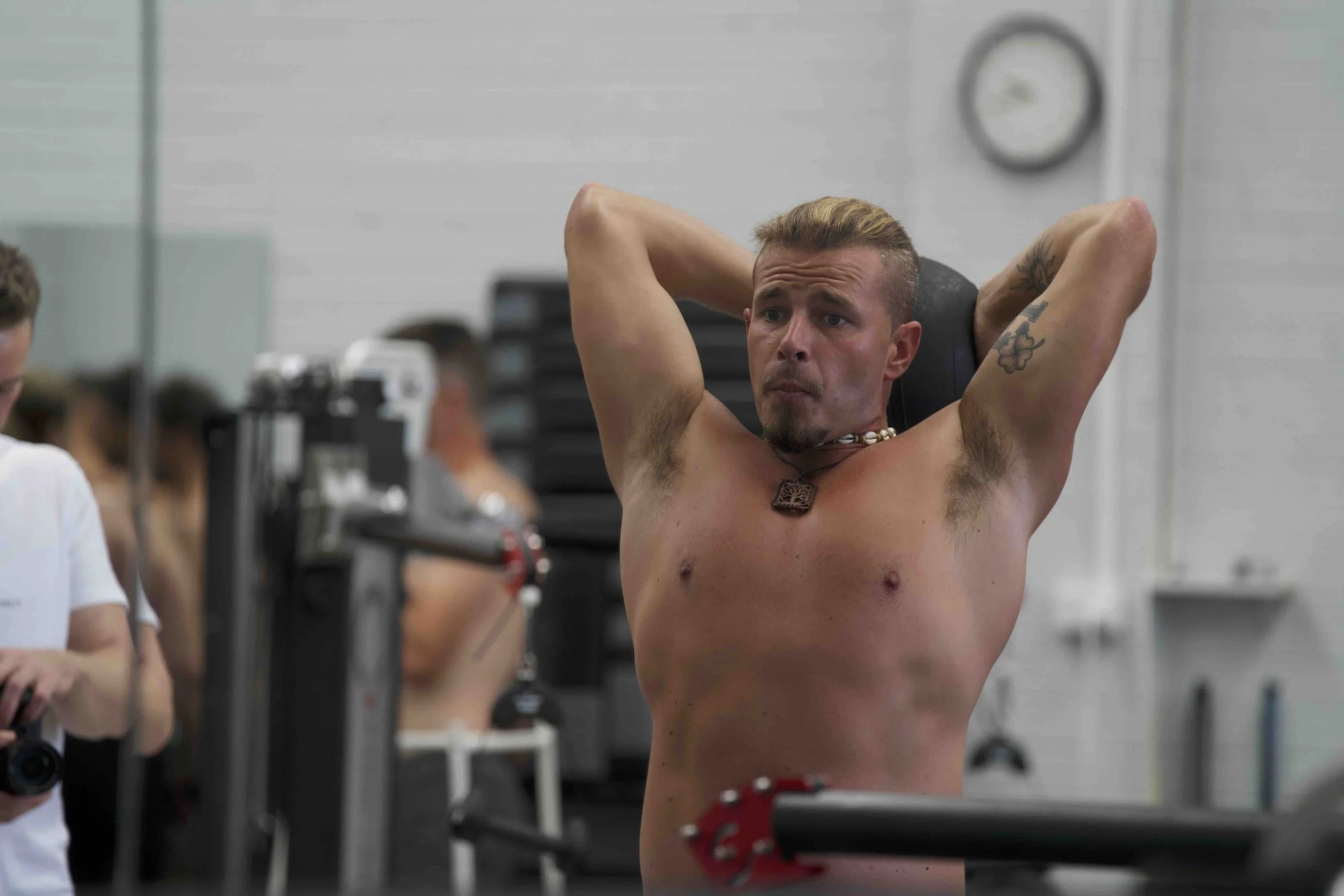
Rib flare is commonly associated with an imbalance between the anterior and posterior chain muscles. Weak or poorly coordinated abdominal muscles — particularly the transverse abdominis and obliques — combined with overactive spinal extensors can pull the ribs forwards. From a Functional Patterns perspective, this imbalance is part of a broader compensation strategy that develops when the body cannot manage gravitational load efficiently.
Core Muscles and Global Stability
The core muscles play a vital role in rib alignment, but strengthening them in isolation often fails to produce lasting change. Traditional core exercises may temporarily reduce symptoms, but without integrating the core with the hips, spine and shoulders, the rib cage remains unstable. Functional Patterns trains the core as part of a global system that supports upright posture and efficient movement.
Postural Habits and Modern Lifestyles
Prolonged sitting, excessive screen use and limited exposure to natural movement patterns contribute significantly to rib flare. Over time, these habits reinforce poor posture, anterior pelvic tilt and altered spinal mechanics. Rib flare becomes a visible expression of how the body has adapted to these environmental demands.
Breathing Mechanics and Rib Position
Inefficient breathing patterns — particularly excessive chest breathing — are strongly linked to rib flare. When diaphragmatic breathing is underutilised, the ribs remain elevated and externally rotated, further reinforcing the flared position. Functional Patterns prioritises restoring proper breathing mechanics so the rib cage can descend, stabilise and function as intended.
Structural Deviations and Injury History
In some cases, congenital structural differences or previous injuries such as rib fractures, spinal injuries or scoliosis may predispose individuals to rib flare. These factors often require a more individualised approach, which is why a full-body structural assessment is critical for meaningful correction.
How Long Does It Take to Fix Rib Flare?
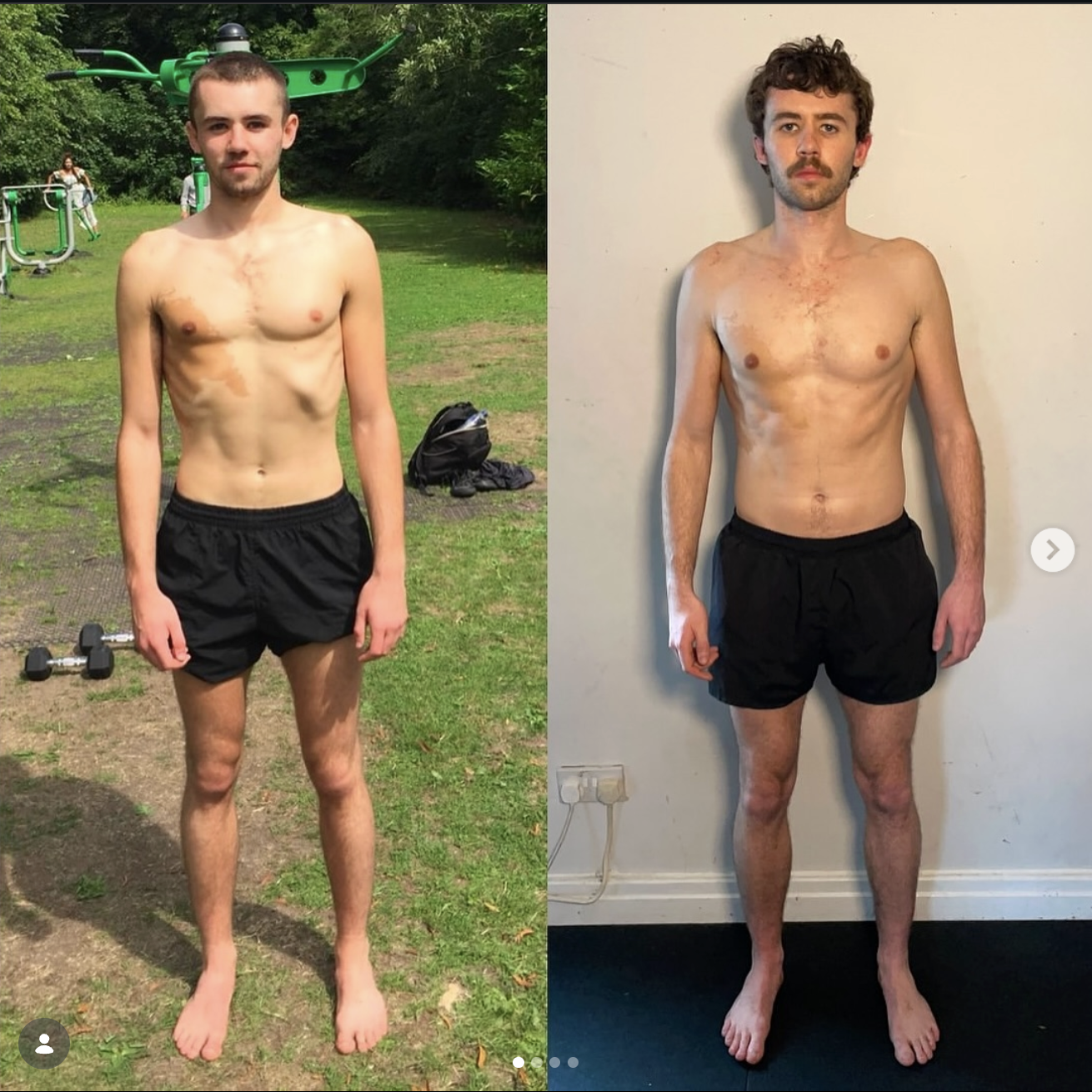
The timeline for correcting rib flare varies depending on the severity of the condition, the individual’s movement history and their commitment to addressing the underlying causes. While short-term improvements may be seen within a few months, true structural change typically requires a longer-term approach focused on movement re-education rather than quick fixes.
Functional Patterns emphasises sustainable correction by changing how the body moves, breathes and supports itself under load. This approach prioritises long-term outcomes over temporary postural adjustments.
Factors Influencing Correction Time
Age, lifestyle, injury history and consistency all influence how quickly rib flare improves. Individuals with fewer compensations and better overall movement capacity may progress more quickly, while those with long-standing postural adaptations may require a more gradual process.
The Importance of Consistency
Consistency is critical. Repeated exposure to correct movement patterns allows the nervous system to reorganise posture and muscular coordination. Functional Patterns programming is designed to reinforce these patterns over time so changes are maintained outside the training environment.
Setting Realistic Expectations
Rib flare correction is not a linear process. Improvements may occur gradually and unevenly as the body adapts. Understanding this helps prevent frustration and encourages long-term commitment to structural change.
Why Functional Patterns Is Different
Unlike traditional rib flare treatment approaches that focus primarily on corrective exercises or static posture cues, Functional Patterns addresses rib flare through whole-body integration. This includes:
Restoring efficient gait mechanics
Improving pelvic and spinal alignment
Re-educating breathing patterns
Training the body to manage force through the kinetic chain
Rather than chasing symptoms, Functional Patterns corrects the underlying structural drivers that cause rib flare in the first place.
Professional Guidance and Long-Term Results
For individuals who have not seen lasting improvements through self-directed exercises or physical therapy alone, working with a Functional Patterns practitioner can provide clarity and direction. A structured assessment identifies how rib flare fits into the individual’s overall movement strategy, allowing for a tailored and effective plan.
The Role of Professional Assessment
A professional assessment ensures that corrective strategies are specific to the individual’s structure, movement history and goals. This personalised approach significantly improves outcomes compared to generic programmes.
Additional Considerations
Consistency is key: Structural change requires repeated exposure to correct movement patterns.
Holistic approach: Addressing stress, sleep, daily movement and training load enhances results.
Monitor progress: Tracking posture, movement quality and symptoms helps guide ongoing adjustments.
Final Thoughts
Rib flare is not simply a cosmetic or isolated issue — it is a reflection of how the body has adapted to movement, posture and lifestyle demands over time. While corrective exercises may provide temporary relief, long-term improvement requires addressing the entire system.
Functional Patterns offers a sustainable solution by restoring alignment, improving breathing mechanics and integrating the rib cage with the rest of the body. By focusing on structure rather than symptoms, individuals can achieve lasting improvements in posture, movement efficiency and overall musculoskeletal health.