
The Biomechanics of Tailbone and Lower Back Pain—What Most Therapies Miss
Back and tailbone pain is incredibly common, yet most people never get a clear answer as to why it keeps coming back. Whether it shows up as tailbone pain after sitting, stiffness through the lower back, or a constant ache around the pelvis, the underlying issue is often the same: poor biomechanics.
Most approaches treat the area where the pain shows up. Functional Patterns looks at why that area is overloaded in the first place. That difference is what leads to long-term results instead of short-term relief.
Understanding the Basics
What Is Tailbone Pain?

Tailbone pain, often referred to as coccydynia, is pain felt at the base of the spine where the coccyx sits. For many people, it isn’t caused by a fall or direct injury. Instead, it develops slowly and becomes noticeable when sitting, standing up from a chair, or staying in one position too long.
It’s common to feel this as a sore tailbone and lower back pain, especially if the pelvis isn’t distributing load properly during everyday movement.
The Role of the Sacroiliac Joint
A key piece almost always missing from the conversation around back and tailbone pain is the sacroiliac joint.
The sacroiliac joints connect the pelvis to the spine and act as a major force-transfer point when we walk, run, and stand. When movement patterns are inefficient, these joints stop doing their job well. The body then looks for stability elsewhere — and the tailbone and lower back often pay the price.
This is why sacroiliac joint dysfunction is so closely linked to pain in the lower back and tailbone area.
Anatomy of the Tailbone and Lower Back
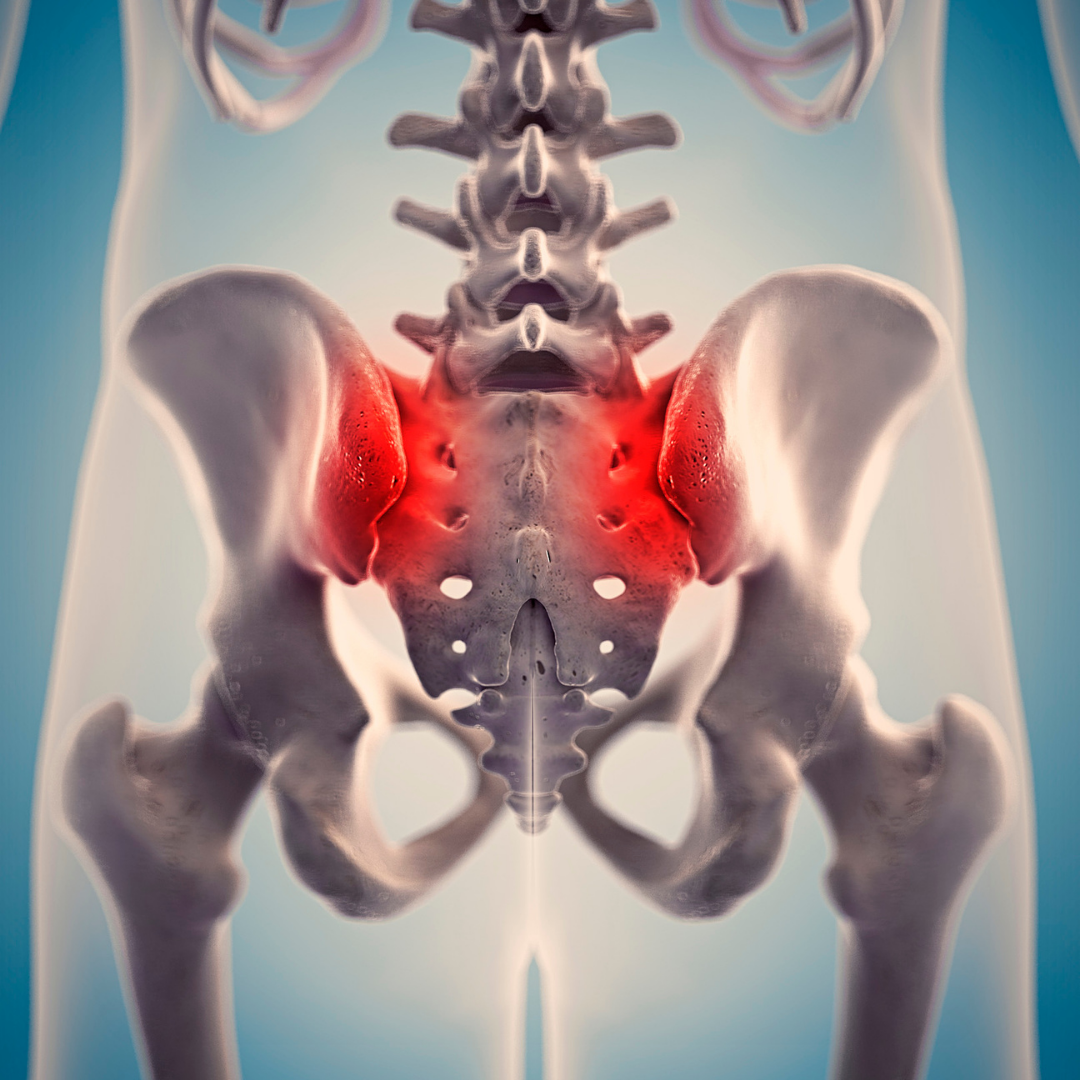
The tailbone doesn’t operate in isolation. It’s influenced by:
Pelvic position
Glute function
Hamstring and hip flexor tension
Spinal alignment
When the pelvis is stuck in poor positioning, the coccyx becomes a compression point instead of a structure that moves and adapts with the rest of the system. Over time, this leads to pain around the tailbone and lower back that feels stubborn and unresolved.
Common Causes
Sacroiliac Joint (SI JOINT) Dysfunction
Sacroiliac joint dysfunction often develops from how people move — not from a single injury. Poor walking mechanics, limited hip extension, and uneven loading through the legs all reduce the pelvis’s ability to manage force.
As this compensation builds, stress is driven into the lower spine and tailbone, setting the stage for chronic back and tailbone pain.
Pain Around Tailbone and Lower Back
Pain in this region is usually a symptom of compensation, not the problem itself. Common patterns include:
Underactive glutes
Excessive tension through the hip flexors
Poor pelvic control during gait
Overreliance on the lower back for stability
These patterns funnel force into the tailbone instead of distributing it through the entire posterior chain.
Tailbone Pain After Sitting
Tailbone pain after sitting is one of the clearest signs that the pelvis isn’t doing its job. Sitting collapses the pelvis into a position where the coccyx takes direct pressure, especially if spinal alignment and hip function are already compromised.
Without changing how the pelvis and spine work together, this pain tends to return no matter how many adjustments are made to chairs or cushions.
Symptoms and Diagnosis
Key Symptoms of Tailbone Pain
Pain at the base of the spine
Discomfort after sitting or driving
Pain when standing up
Ongoing lower back stiffness
These symptoms often fluctuate, which can make the issue feel confusing and hard to pin down.
Differentiating Between Pain Sources
Lower back and tailbone pain can feel similar whether it’s coming from the coccyx, the SI joints, or movement compensation higher up the chain. That’s why looking at scans alone rarely provides answers.
Movement quality matters more than structural findings.
Diagnostic Tests and Evaluation
Imaging can rule out serious pathology, but it doesn’t explain why the body is loading the tailbone incorrectly. A biomechanical assessment — especially gait analysis — is far more useful in identifying what’s actually driving pain.
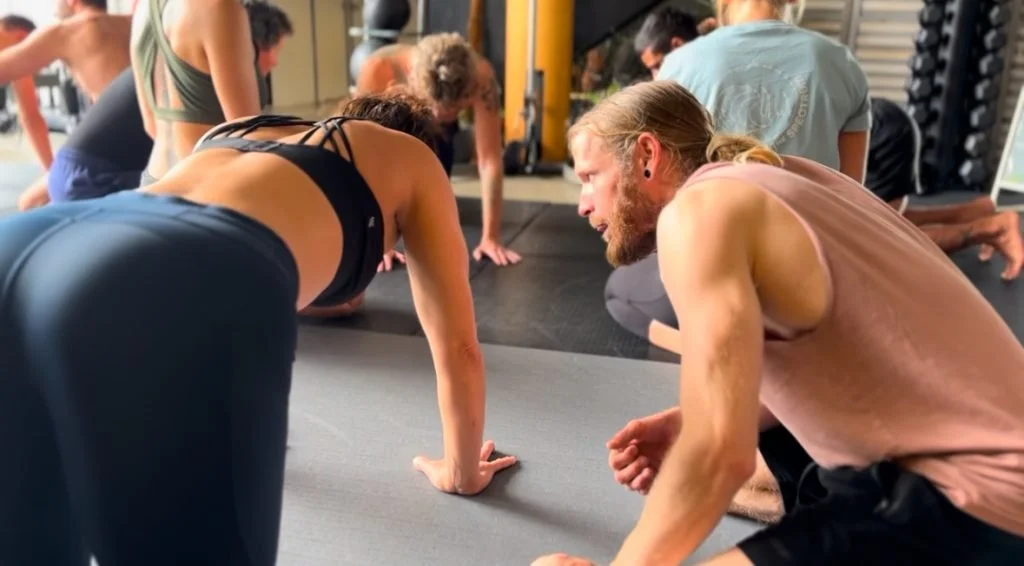
Why Functional Patterns Is a Better Approach
Functional Patterns doesn’t chase pain. It addresses the mechanical reason pain exists.
Rather than isolating muscles or prescribing generic exercises for tailbone pain, FP focuses on:
Restoring proper pelvic orientation
Improving how force moves through the sacroiliac joints
Rebuilding efficient walking and running mechanics
Creating balanced tension through the posterior chain
As outlined in Functional Patterns’ approach to SI joint dysfunction, when the pelvis regains its ability to manage load, pressure is taken off the tailbone and lower back naturally.
This is why people often experience lasting relief — not because the pain was “treated,” but because the reason for the pain was removed.
Preventive Measures
Lifestyle Adjustments

Break up long periods of sitting
Walk regularly with intent and structure
Avoid consistently loading one side of the body
Ergonomic Solutions for Sitting
Sit on firmer surfaces
Maintain a neutral pelvis rather than slouching
Use sitting as a short-term position, not a default state
Regular Exercises for Lower Back Health
Training should reinforce how the body moves in real life. Functional Patterns integrates strength, posture, and gait so the lower back and tailbone are supported during daily movement — not just during workouts.
Final Thoughts
Back and tailbone pain isn’t random, and it isn’t something you just have to manage forever. In most cases, it’s the result of inefficient biomechanics and sacroiliac joint dysfunction that build up over time.
Functional Patterns stands out because it addresses the problem at its source: how the body moves and loads itself. When that changes, pain around the tailbone and lower back no longer has a reason to stick around.