
Back Pain and Posture: Why Poor Alignment Causes Chronic Discomfort (and How to Fix It)
Back pain is one of the most common physical complaints among Australians, affecting office workers, athletes, and active adults alike. While many people associate back pain with injury or age, a significant portion of ongoing discomfort is driven by something far more subtle — posture.
The relationship between back pain and posture is often overlooked. Modern lifestyles encourage prolonged sitting, limited movement, and repetitive positions that slowly change how the body aligns itself. Over time, these postural changes alter how forces move through the spine, creating stress, stiffness, and chronic pain.
Understanding this connection is the first step toward lasting relief.
Understanding Back Pain

Back pain rarely appears overnight. In most cases, it develops gradually as the body adapts to inefficient movement patterns. When muscles stop working together as they should, certain areas of the spine begin to absorb more load than they’re designed for.
This is why many people experience lower back pain after sitting for long periods, stiffness through the middle back, or discomfort that worsens during sleep. The pain itself is often a symptom of deeper postural dysfunction rather than structural damage.
Posture refers to how your body aligns itself against gravity during standing, sitting, walking, and movement. Optimal posture allows your spine to maintain its natural curves while distributing load efficiently across muscles and joints.
Good posture supports:
Spinal health and joint longevity
Efficient breathing mechanics
Core stability and balance
Reduced muscular tension
Poor posture, on the other hand, places excessive strain on specific tissues and disrupts how the body moves as a system.
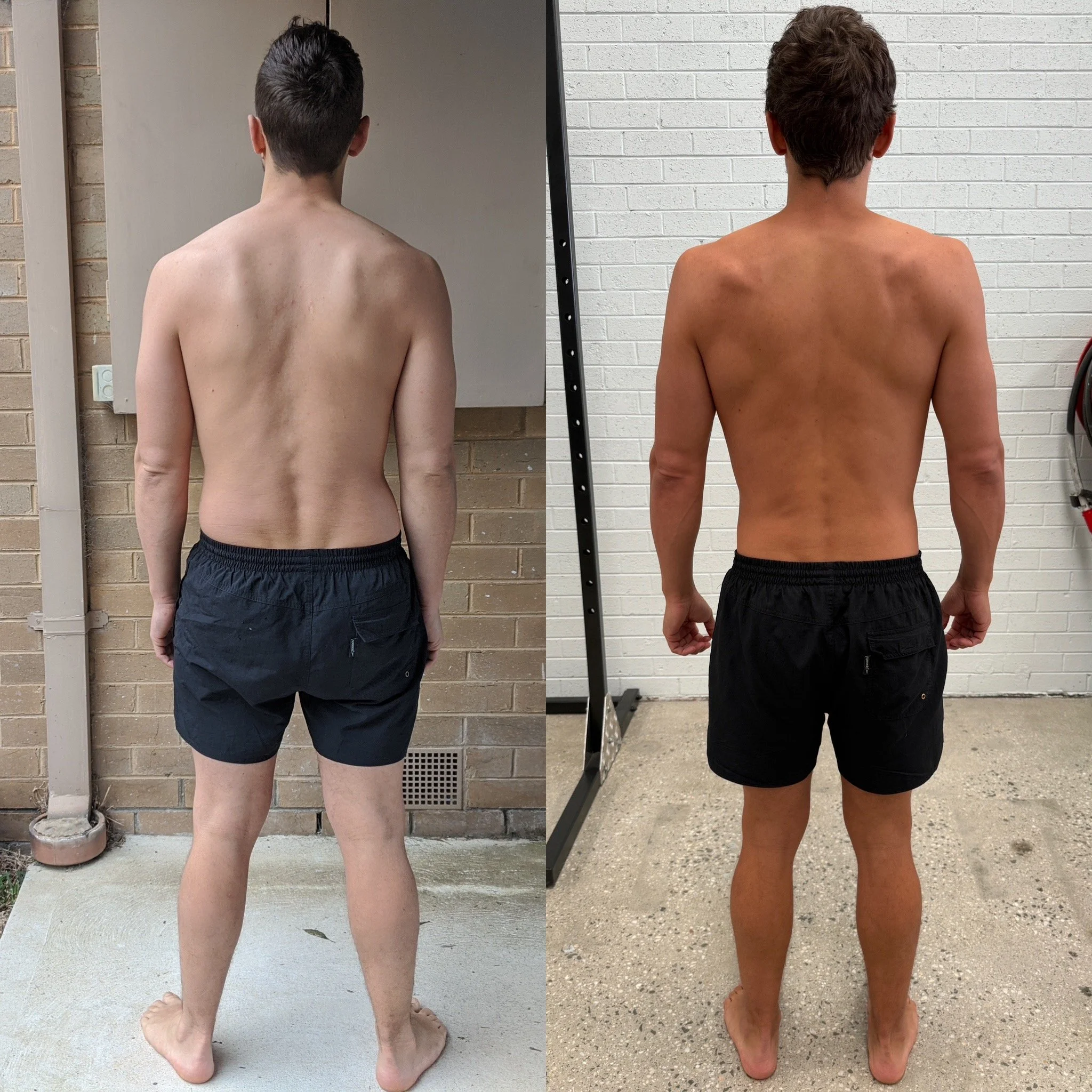
The Importance of Posture
Posture is not just about standing up straight. It reflects how your body organises itself against gravity during every activity — sitting, walking, lifting, and even breathing.
When posture is efficient, the spine maintains its natural curves and distributes force evenly across muscles and joints. When posture deteriorates, the body compensates. Muscles tighten where they shouldn’t, joints compress, and movement becomes less efficient. Over time, these compensations create the perfect environment for pain to persist.
The Connection Between Improper Posture and Back Pain
How Poor Alignment Affects the Spine
Improper posture and back pain are closely linked because alignment determines how load travels through the body. A forward-tilted pelvis, rounded upper back, or forward head position shifts stress away from powerful muscle groups and onto vulnerable structures like discs and ligaments.
These patterns don’t just affect static positions. They carry over into walking, exercising, and daily tasks. This is why many people feel pain even when they are “active” — the movement itself is built on poor alignment.
Common Causes of Bad Posture
Poor posture doesn’t come from one single habit. It’s usually the result of repeated behaviours reinforced over years. Sitting for extended periods, poorly set-up workstations, limited rotational movement, and training programs that focus on isolated muscles instead of whole-body mechanics all contribute.
Even regular gym-goers can develop bad posture and back pain if their training doesn’t address how the body moves in real-world conditions.
Ergonomic Solutions for Better Posture
Ergonomic Seating Solutions for Home and Office
Ergonomic seating solutions can certainly reduce discomfort during the workday. Chairs that support neutral spine positioning and desks set at the right height can limit excessive strain.
However, ergonomics alone don’t correct posture. They simply make poor habits more tolerable. Without retraining how your body supports itself during movement, pain often returns the moment you leave the chair.
The Role of a Back Brace for Pain and Posture
A back brace for pain and posture may provide short-term relief by restricting movement and offering external support. For acute situations, this can be helpful.
The downside is that braces do not teach the body how to stabilise itself. Long-term reliance can weaken key muscles and delay true recovery. Sustainable postural correction requires the body to become its own support system.
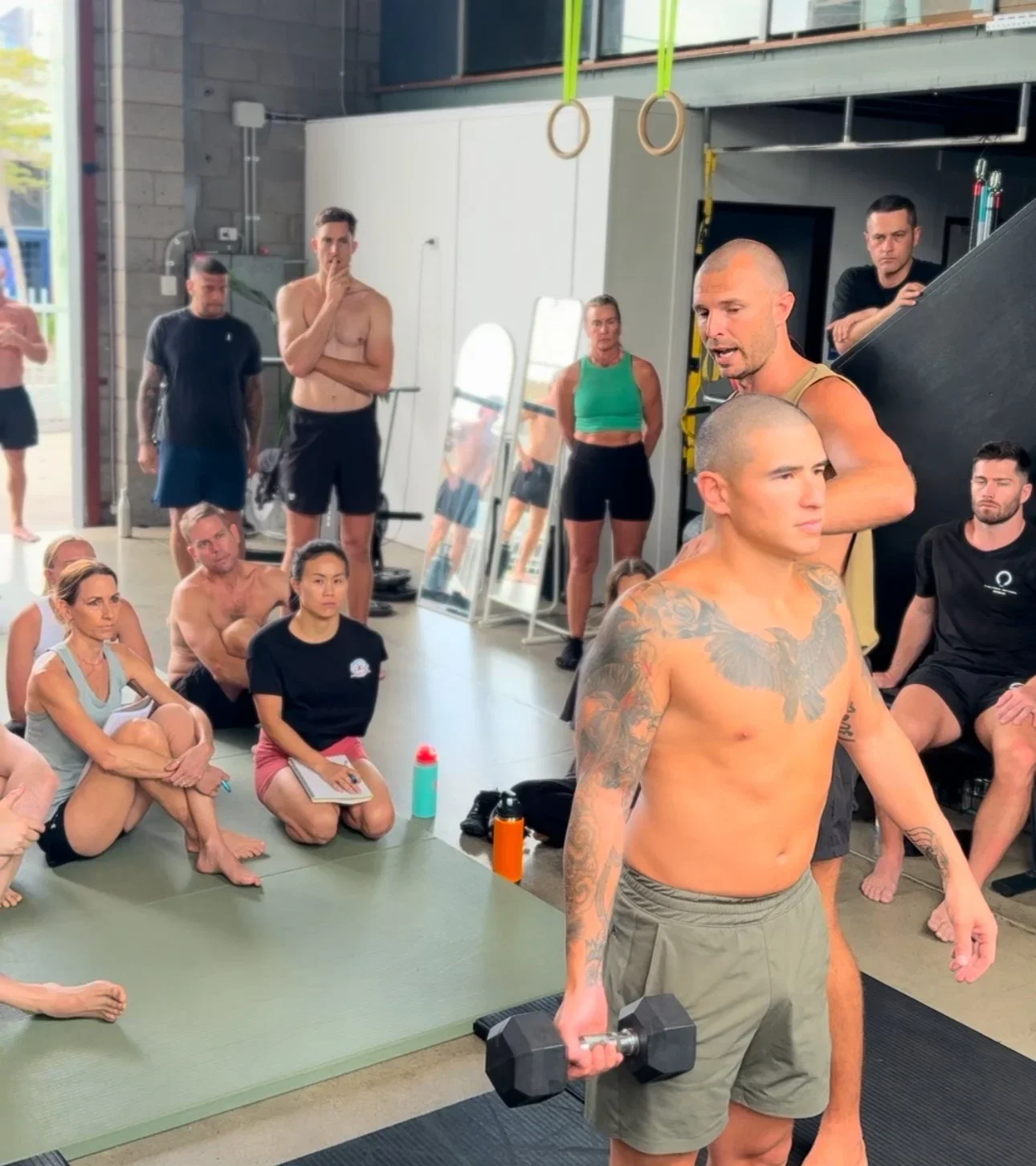
Postural Correction Exercises
Effective Back Exercises for Poor Posture
Many people turn to stretching routines or generic back exercises for poor posture when pain appears. While these can temporarily reduce tension, they often fail to address why posture is poor in the first place.
True postural correction requires integrated movement. The spine doesn’t function independently from the hips, legs, or ribcage. If these relationships aren’t restored, exercises become another short-term fix rather than a lasting solution.
Why Functional Patterns Works for Posture and Back Pain
Functional Patterns is a training system built around correcting posture through biomechanics and movement efficiency. Rather than isolating muscles, it retrains how the body coordinates itself during walking, rotation, and load-bearing tasks.
At Functional Patterns Melbourne, posture is addressed dynamically. Pelvic position, spinal alignment, and gait mechanics are all assessed and corrected together. This approach reduces unnecessary strain on the back while building strength where the body actually needs it.
Instead of managing pain, Functional Patterns works to remove the cause.
Daily Routines to Improve Alignment
Daily movement plays a major role in posture. How you walk, stand, and shift your weight throughout the day reinforces either healthy alignment or compensation.
When these habits are guided by Functional Patterns principles, posture improves naturally — not because you’re forcing yourself upright, but because your body has learned a more efficient way to move.
Bringing It All Together
Back pain is rarely random. In most cases, it reflects years of accumulated postural stress and inefficient movement. While ergonomic adjustments, braces, and exercises may help temporarily, long-term relief requires addressing how the body functions as a whole.
Functional Patterns offers a structured, results-driven approach to correcting posture and reducing back pain by restoring natural movement patterns. For those in Melbourne looking for a long-term solution rather than another short-term fix, this approach provides a clear path forward.
If you’re ready to address the root cause of your back pain and improve your posture for good, working with a Functional Patterns practitioner in Melbourne can be the turning point.