
The Ultimate Guide to Hunchback Posture Treatment: Tips and Techniques
Hunchback posture is becoming increasingly common across Australia as more people rely on computers, mobile devices, and sedentary work environments. While many attempt to fix these issues with generic stretching routines or isolated strengthening drills, long-term results often fall short.
This guide explains why traditional approaches fail and how the Functional Patterns training system provides the most effective and sustainable hunchback posture treatment available today.
Understanding Hunchback Posture
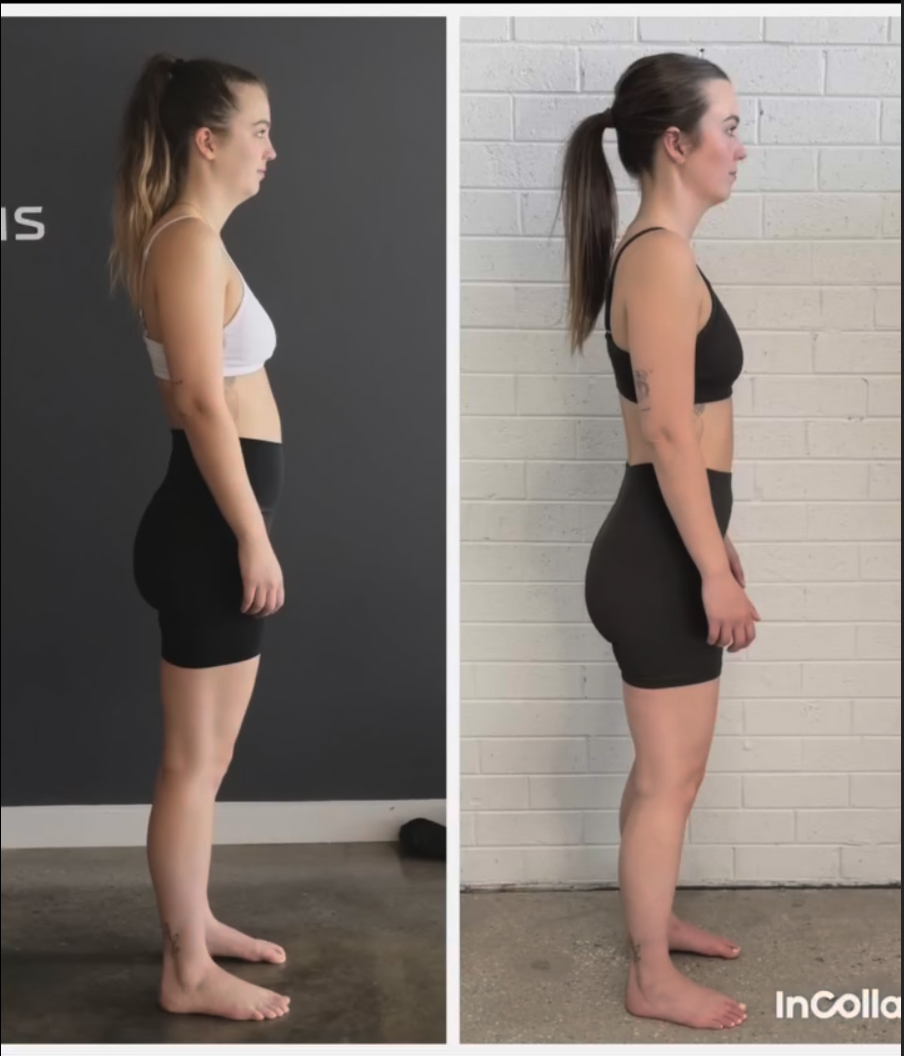
Definition of Hunchback Posture
Hunchback posture, or excessive thoracic kyphosis, refers to an exaggerated forward curvature of the upper spine that often creates a visible hump or rounded upper back.
Prevalence and Impact
With long working hours, less movement, and increased screen time, Australians are experiencing posture-related issues at higher rates than ever before. Left unaddressed, this posture can lead to:
Upper back pain
Stiffness in the thoracic spine
Poor breathing mechanics
Reduced mobility and energy
Causes of Hunchback Posture
Common Contributors
Most cases of hunchback posture are driven by dysfunctional movement patterns—not simply weak muscles or “bad habits.”
Key contributors include:
Poor posture habits reinforced over years
Sedentary, desk-based lifestyles
Compensation patterns from past injuries
Movement imbalances created by traditional exercise systems
Poor Posture Habits
Constant forward head position and rounded shoulders gradually retrain the body into misalignment.
Sedentary Lifestyle

Long periods of sitting cause the body to adopt shapes it frequently maintains—especially rounded upper-back postures.
Age-Related Changes
Natural changes in spinal discs can amplify kyphotic tendencies, making early intervention key.
Importance of Spine Alignment
How Spine Alignment Affects Posture
The spine is a dynamic structure that shifts based on the body's movement patterns. When alignment breaks down, compensations occur throughout the body, reinforcing the hunchback posture.
Benefits of Proper Alignment
Improved mobility
Enhanced breathing capacity
Reduced upper back pain
Better overall movement efficiency
Consequences of Poor Alignment
Without correcting dysfunctional patterns, poor alignment can worsen and become harder to reverse.

Why Functional Patterns Is the Most Effective Treatment Approach
Traditional methods—such as isolated back strengthening exercises, generic core stability exercises, or occasional stretching—rarely correct the root cause of hunchback posture. These approaches treat the symptoms, not the system.
Functional Patterns addresses the true cause: your global movement patterns.
How Functional Patterns Rebuilds Postural Integrity
Functional Patterns focuses on:
Reorganising the body around efficient human biomechanics
Retraining the muscles, fascia, and nervous system as an integrated unit
Improving the coordination between breathing, gait, rotation, and posture
Correcting compensations that keep the body locked into a hunchback shape
This approach ensures that improvements in posture aren’t temporary—they become part of how your body naturally moves.
Why Traditional Systems Fall Short
Even though many systems claim to help posture, they often rely on:
Isolated muscle strengthening
Static stretching
One-size-fits-all exercise routines
These methods fail because the body doesn’t operate in isolation. Improving posture requires a whole-body, integrated approach—something Functional Patterns is uniquely designed to deliver.
Upper Back Pain Relief Through Functional Patterns

While people often seek upper back pain relief through massage or heat packs, these methods offer short-term comfort without addressing dysfunctional biomechanics.
Functional Patterns interventions, however:
Reduce strain by restoring proper load distribution
Improve mobility by retraining movement efficiency
Create long-term relief by resolving the underlying dysfunction
Daily Habits to Promote Good Posture
Mindful Sitting and Standing
Awareness helps—but only when your body has been properly retrained through an integrated system like Functional Patterns. Once new patterns are established, mindfulness reinforces them.
Regular Movement Breaks
Standing, walking, and repositioning throughout the day help reduce stiffness and prevent the re-emergence of kyphotic posture habits.
Long-term Strategies for Maintaining Proper Posture
Sustainable hunchback posture treatment requires more than temporary fixes. For lasting improvement:
Commit to a structured Functional Patterns training program
Reassess posture regularly with a qualified practitioner
Maintain supportive ergonomic habits
Stay consistent with daily movement and biomechanical awareness
Functional Patterns offers the most comprehensive, biomechanically sound method for correcting hunchback posture—building alignment that lasts and helping Australians move better for life.