
Postpartum Recovery: Fixing Diastasis Recti Naturally
Understanding Diastasis Recti: The Core Challenge Many Mothers Face
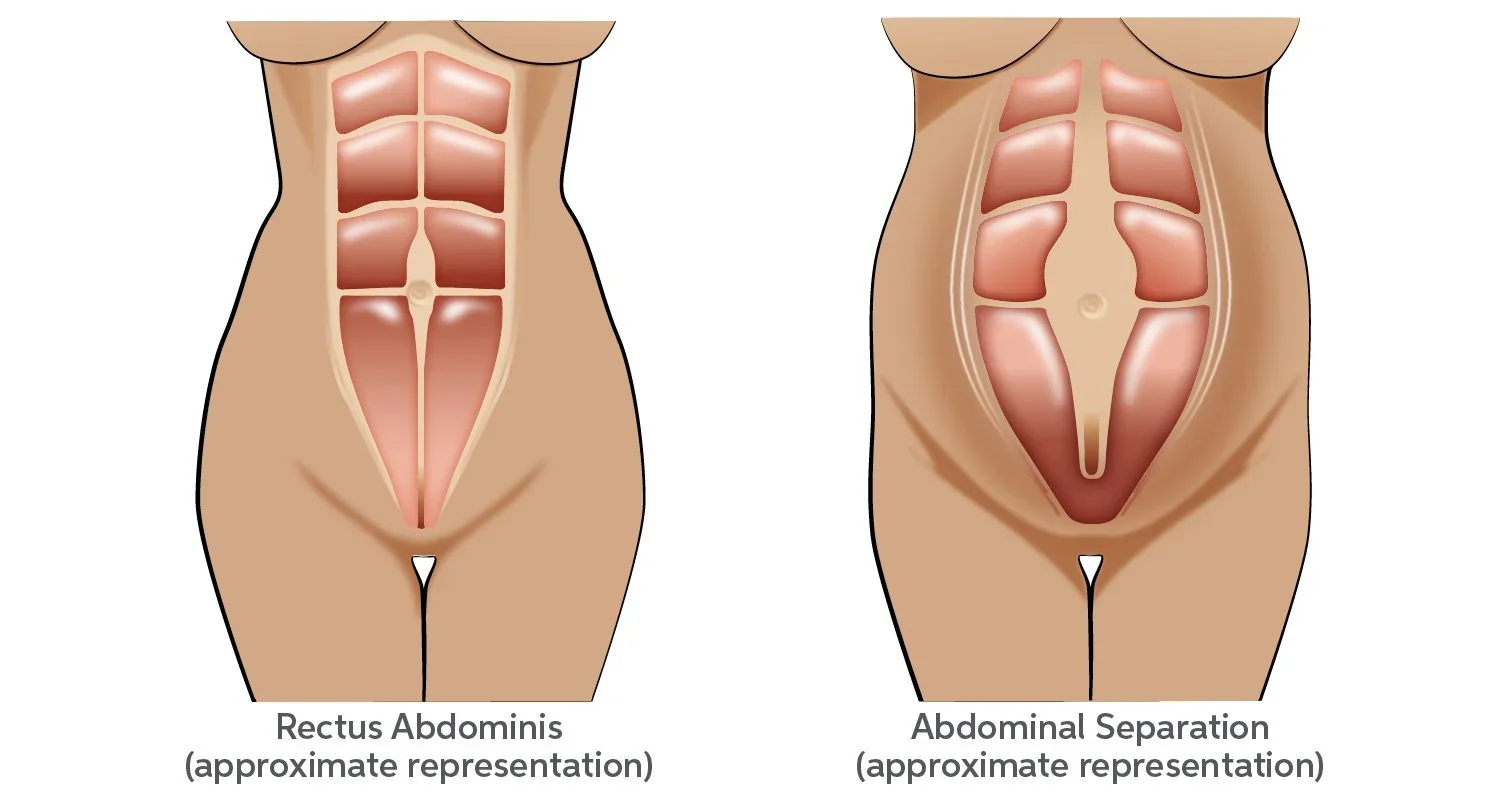
What Is Diastasis Recti?
Diastasis recti occurs when the connective tissue between your abdominal muscles stretches and separates, often during pregnancy. Many women searching for how to fix diastasis recti are left with confusing advice and exercises that may not actually support healing.
Functional Patterns provides a unique solution by focusing on how the entire body moves—not just isolated muscles. This makes the system highly effective for reducing strain, restoring tension through the core, and helping you train without pain.
Why Abdominal Separation Happens After Pregnancy
As your baby grows, your posture, breathing mechanics, and intra-abdominal pressure all shift. These changes can overstretch the linea alba, resulting in ab separation after pregnancy. The likelihood increases with:
Excessive abdominal pressure
Poor postural alignment
Inefficient gait mechanics
Improper training before or after pregnancy
Multiple pregnancies
Functional Patterns addresses all these foundations by improving how your entire body connects and stabilizes during movement.
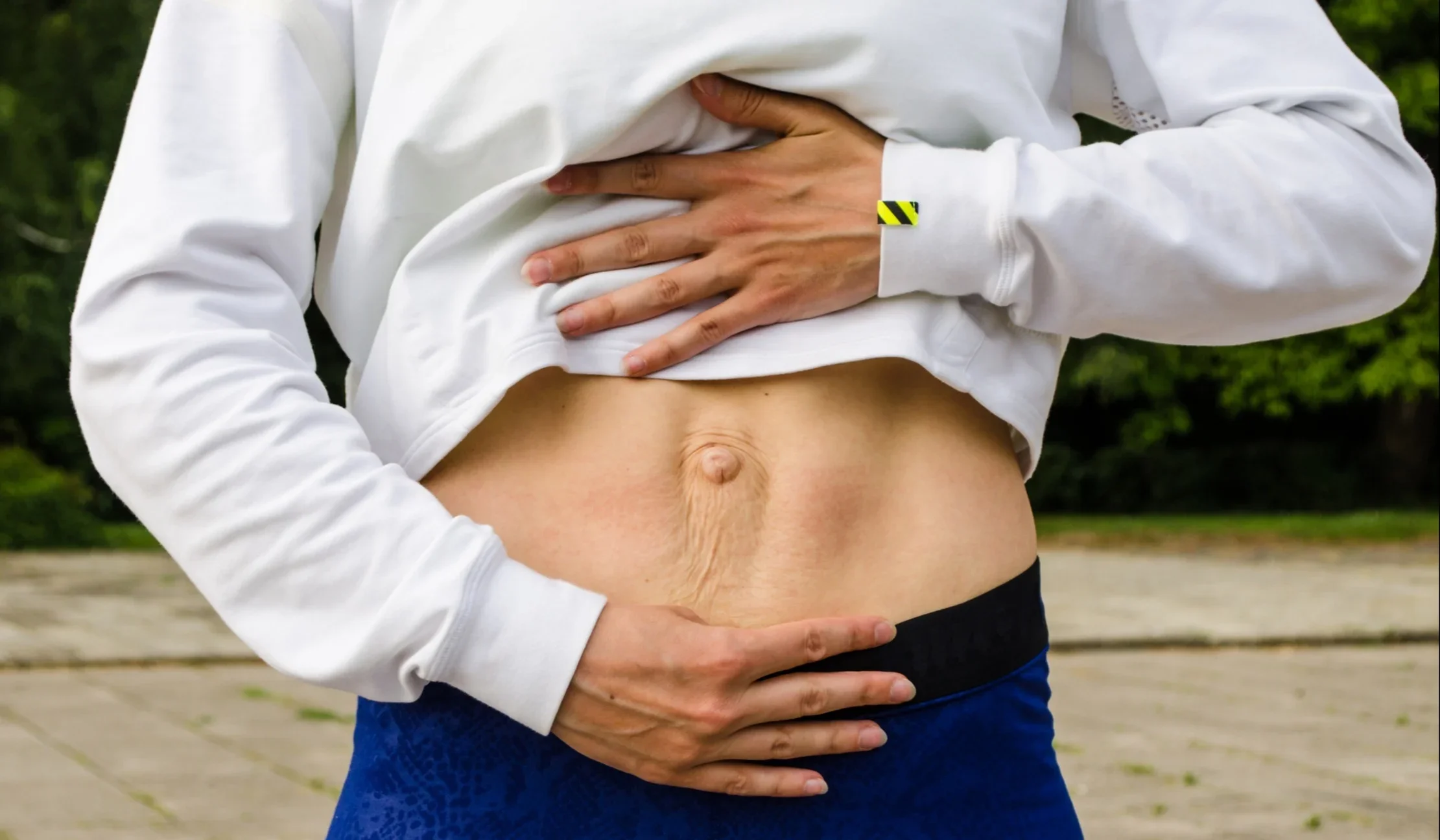
Spotting the Signs of Diastasis Recti
Common indicators include:
A bulge along the midline
Difficulty controlling core pressure
Back pain or pelvic instability
Reduced strength in stomach muscles after pregnancy
These signs often appear during daily tasks, making an integrated, whole-body solution essential.
Finding Clarity: Assessing Diastasis Recti the Right Way
Smart, Simple Self-Assessment Techniques
Self-assessment can give you a general idea of the separation, but it doesn’t reveal the full picture—such as whether your tissue has lost tension or how your posture and breathing affect healing. Functional Patterns practitioners evaluate the core in relation to the entire body, helping ensure accuracy and safety.
When It’s Time to Seek Professional Support
If symptoms persist or you’re unsure how to approach healing, working with a Functional Patterns practitioner provides clarity. They tailor your training experience based on your structure, ensuring every movement supports—not strains—the healing process.
Beyond Traditional Ab Workouts: A Safer Way to Rebuild Postpartum Strength
Why Standard Ab Routines Often Make Things Worse

Typical postpartum ab exercises—like crunches or intense core routines—often increase abdominal pressure and worsen separation. Many mothers looking for a post pregnancy tummy workout unknowingly work against their own healing.
Functional Patterns flips this model by focusing on:
Proper breathing mechanics
Ribcage and pelvic alignment
Tensioning strategies that support the linea alba
Integrated movement patterns
These principles make every movement a piece of your recovery journey.
Rebuilding Your Core Through Integration, Not Isolation
Instead of isolated “core moves,” Functional Patterns emphasizes whole-body coordination. This approach strengthens your deep core, improves gait, and restores stability, making it ideal for anyone seeking how to heal diastasis recti safely and effectively.
Your Path to Healing: Real Strategies for Long-Lasting Recovery
Deep Core Restoration Without Straining Your Body

Achieving real change requires more than surface-level activation. Functional Patterns helps you connect deep core muscles with the hips, ribcage, and breath, turning everyday activities into opportunities for healing.
Natural, Sustainable Solutions for Abdominal Realignment
To understand how to correct abdominal diastasis naturally, you must optimize how your body organizes itself. Improvements in posture, gait, and breathing create a supportive environment for rebuilding tissue integrity.
How Long Does It Take to Fix Diastasis Recti?
Healing varies, but many mothers experience positive changes relatively quickly when their movement patterns are aligned with how the human body is designed. Functional Patterns progresses at the pace your body can handle—safely, intentionally, and without pain.
Daily Habits That Support Diastasis Recti Healing
Fueling Your Recovery From the Inside Out
Post-pregnancy nutrition plays a major role in connective tissue healing. Prioritizing whole foods, high-quality protein, and anti-inflammatory nutrients supports your body’s ability to recover from post pregnancy abdominal separation.
Movements to Avoid While Healing
Certain habits can slow or reverse progress, including:
Breath-holding during lifting
Collapsing posture
High-impact exercise too soon
Twisting or bending under tension
Functional Patterns helps retrain your daily movement patterns so you avoid these stressors naturally.
Long-Term Core Strength You Can Depend On
Recovery doesn’t end when your separation closes. Maintaining functional strength ensures long-term stability, better posture, and resilience in daily life. Functional Patterns makes this sustainable by aligning your training with how your body naturally moves.
Functional Patterns: A Long-Term, Family-Friendly Training System
A Training Solution That Evolves With You
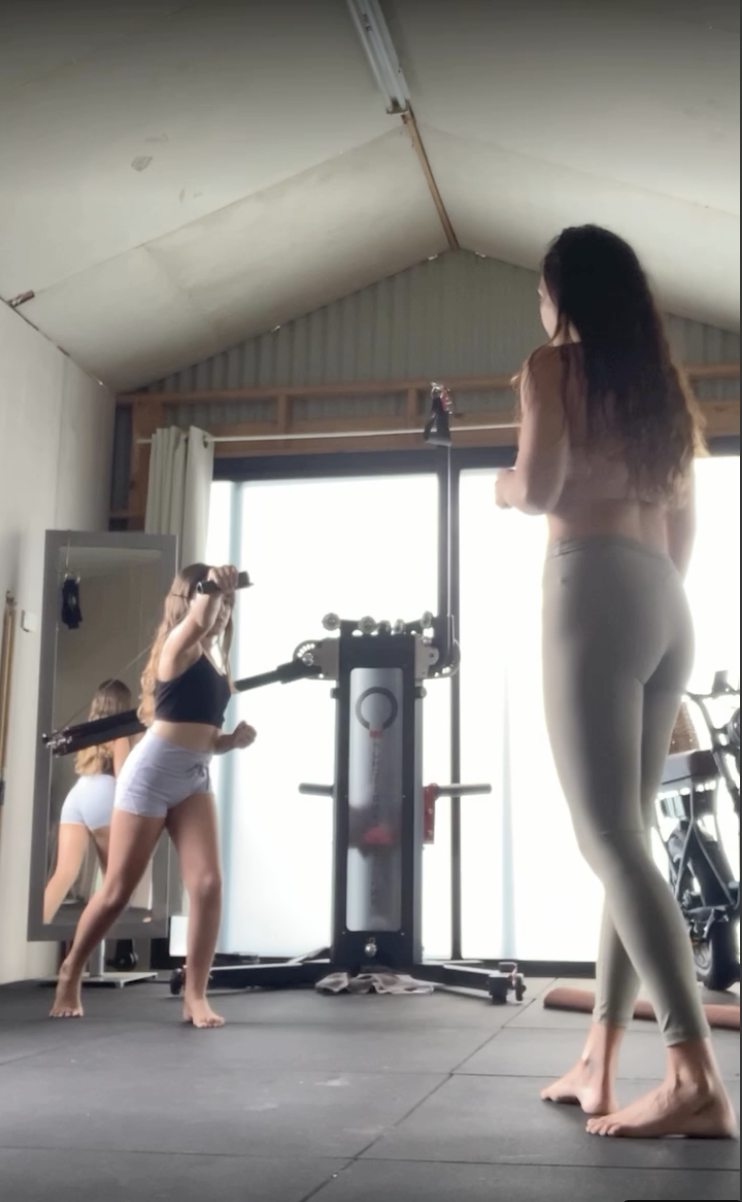
Functional Patterns isn't just a postpartum recovery method—it’s a long-term movement system built around human biomechanics. This makes it ideal for mothers wanting a training approach that grows with them as they move from early postpartum recovery into long-term health, strength, and pain-free living.
Safe for New Mothers, Accessible for Children
One of the most unique strengths of Functional Patterns is its scalability. Because it focuses on foundational movement patterns rather than high-intensity or risky techniques, it’s suitable not only for postpartum women but also for:
Growing children learning healthy movement early
Parents wanting to train alongside their kids
Families seeking a shared, safe, integrated approach to fitness
Training together strengthens family bonds while giving everyone skills that support long-term health.
A System You Can Count On—For Life
From rebuilding abs postpartum to teaching your children efficient biomechanics, Functional Patterns offers a training system designed for longevity. Whether you’re addressing diastasis recti post c-section, managing chronic pain, or simply wanting to future-proof your body, FP provides a reliable, sustainable path forward.
Moving Forward: A Holistic Approach to Postpartum Wellness
If you're searching for how to fix diastasis recti, the answer lies in training the body as an integrated system. Functional Patterns provides the safest, most targeted, and most scalable approach to postpartum recovery—allowing you, your children, and your entire family to train together in a way that supports lifelong health.
When you’re ready to restore function, build confidence, and move without pain, book your initial consultation now to learn how our training system can support your journey.